What's the best way to reward your dog without using treats? The answer is simple: creative non-food rewards often work even better than snacks! While treats are great for initial training, we've found that mixing in other types of rewards keeps dogs more engaged and motivated long-term. I can't tell you how many times I've seen dogs completely light up when they realize playtime or affection is their reward instead of just another biscuit.Here's why this matters: dogs, just like us, get bored with the same old routine. Imagine if your boss only paid you in pizza - sure, it's nice at first, but eventually you'd want something more. That's exactly how your dog feels about treats! The good news? There are plenty of exciting alternatives that will have your pup responding better than ever. From my experience training hundreds of dogs, these creative rewards actually strengthen your bond while making training sessions way more fun for both of you.
E.g. :How to Find a Reputable Breeder for Healthy Puppies & Kittens
- 1、Why Food Isn't The Only Reward That Works
- 2、Discovering What Makes Your Dog Tick
- 3、Making Non-Food Rewards Work For You
- 4、Five Awesome Non-Food Rewards To Try
- 5、Putting It All Together
- 6、Final Thoughts From A Dog's Perspective
- 7、The Science Behind Canine Motivation
- 8、Breed-Specific Reward Preferences
- 9、Environmental Considerations
- 10、The Psychology of Variable Rewards
- 11、Real-Life Success Stories
- 12、Common Training Myths Debunked
- 13、FAQs
Why Food Isn't The Only Reward That Works
Let's be honest - we all love treats. But guess what? Dogs do too! However, food rewards aren't the only way to motivate your furry friend. In fact, using different types of rewards can make training more effective and fun for both of you.
The Problem With Only Using Treats
Imagine if your boss only paid you in pizza. Sounds great at first, right? But after a while, you'd probably want something else too! That's exactly how dogs feel about treats. While they're super helpful when teaching new commands, we need to mix things up as our dogs learn.
Here's the deal: food rewards work best during the initial training phase. But once your dog understands the basics, we should gradually reduce treat usage. Why? Because we want them to listen to us, not just the crinkle of a treat bag!
When Non-Food Rewards Shine
Some dogs couldn't care less about treats. I've worked with dogs who'd rather play fetch than eat steak! For these pups, creative rewards are game-changers. They keep training sessions exciting and help build a stronger bond between you and your dog.
Think about it - when your dog makes a good choice, wouldn't you rather celebrate together than just hand out another cookie?
Discovering What Makes Your Dog Tick
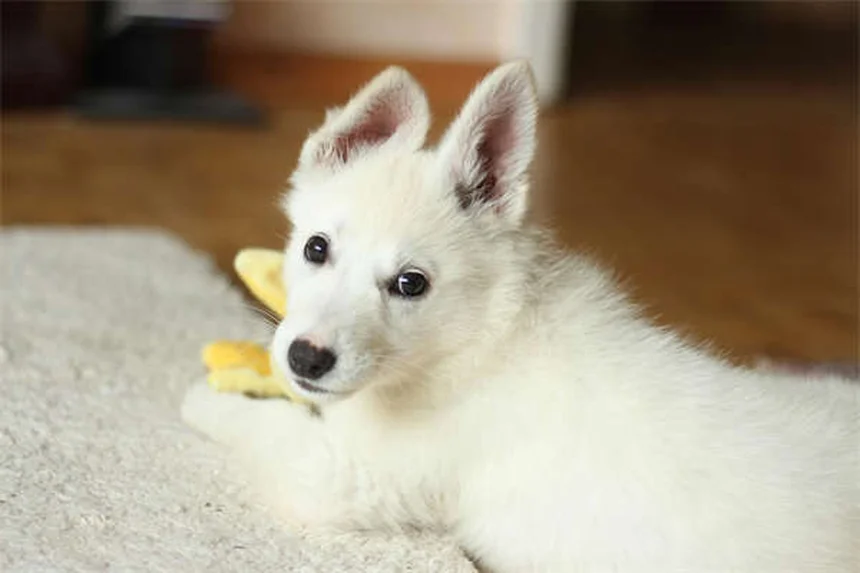
Every dog is unique, just like people. What excites one dog might bore another to tears. The key is figuring out what your dog loves most.
 Photos provided by pixabay
Reading Your Dog's Signals
Pay attention to what makes your dog's tail wag like crazy. Does he go nuts for belly rubs? Does she live for fetch sessions? These are clues to their personal reward preferences.
Here's a quick comparison of common dog preferences:
| Reward Type | High-Energy Dogs | Low-Energy Dogs |
|---|---|---|
| Play | Loves it! | Meh |
| Cuddles | Too busy for this | Perfect! |
| Exploring | Can't get enough | Maybe a little |
Testing Different Rewards
Try different activities and watch your dog's reaction. Does he bring you the ball over and over? That's a clear sign! Does she lean into your scratches? Bingo! These natural preferences make the best rewards because they come from your dog's genuine interests.
Remember when I tried using a squeaky toy with my friend's lazy bulldog? Yeah, that didn't work. He just gave me this look like "Really? You expect me to move for that?" Lesson learned!
Making Non-Food Rewards Work For You
Now that you know what your dog loves, let's talk about how to use these rewards effectively in training.
Timing Is Everything
Just like with treats, you need to give the reward at the right moment. When your dog comes when called, that's when you break out the super fun game of chase! This helps them connect the behavior with the reward.
Here's a pro tip: always deliver the reward within 3 seconds of the good behavior. Dogs live in the moment, so if you wait too long, they won't understand what they're being rewarded for.
 Photos provided by pixabay
Reading Your Dog's Signals
Have you ever tried to bribe a toddler with ice cream to clean their room? It might work once, but soon they'll only clean when they see the ice cream. Dogs work the same way! We want them to respond to our commands, not just to the promise of a reward.
So here's what not to do: waving a toy around before giving a command. Instead, keep the reward hidden until after they've done what you asked.
Five Awesome Non-Food Rewards To Try
Ready to mix up your reward routine? Here are five fantastic options that most dogs go crazy for:
1. Verbal Praise That Actually Means Something
"Good boy!" gets old fast, doesn't it? Instead, try matching your enthusiasm level to your dog's achievement. Did they finally nail that tricky command? Go wild with your praise! Just peed in the right spot? A cheerful "Nice job!" works great.
The secret is to make your voice interesting. Use different tones and volumes. Sometimes I sound so excited praising my dog that neighbors probably think I won the lottery!
2. Playtime That Matches Their Personality
Not all play is created equal. My border collie would sell my soul for a chance to chase a ball, while my sister's pug would much rather play "keep away" with a stuffed toy.
Ask yourself: does your dog prefer:
- Tug-of-war?
- Chase games?
- Fetch?
- Keep away?
Use what they love most as their special reward. And here's a bonus - playtime rewards also help burn off energy!
 Photos provided by pixabay
Reading Your Dog's Signals
Most dogs love being petted, but did you know there's a right and wrong way to use touch as a reward? When your dog does something great, try:
- A vigorous chest scratch
- A gentle ear massage
- That one spot they're always scratching at
But here's something important - is your dog actually enjoying this? Some dogs in high-energy situations might prefer play over pets. Watch their body language to be sure.
4. Interactive Games That Build Bonds
Why just give a treat when you can turn the reward into a fun game? After your dog comes when called, you could:
- Run away and let them chase you
- Play a quick round of hide and seek
- Initiate their favorite wrestling game
This approach has an awesome side effect - it makes obeying commands super fun! My dog now comes running because he knows something exciting is about to happen.
5. The Sniffari Reward
Here's a question: what's more rewarding than food for most dogs? The answer might surprise you - it's sniffing! Dogs experience the world through their noses, and letting them explore scents can be the ultimate reward.
After a good training session or nice walk, try saying "Go sniff!" and letting your dog explore an interesting area. It's like giving them the keys to Disneyland!
Putting It All Together
Now that you've got all these ideas, how do you actually use them in real life? Let me walk you through a typical training session with my dog.
Creating A Reward Rotation
I like to keep things fresh by rotating through different rewards. One time he gets praise, next time it's play, then maybe a sniff break. This variety keeps him guessing and excited to work.
Here's what a reward rotation might look like:
- Sit command - verbal praise
- Down command - quick chest scratch
- Come command - exciting game of chase
- Stay command - "Go sniff!" release
Matching Rewards To Situations
Different situations call for different rewards. At the dog park? Play is perfect! In a quiet training class? Maybe gentle praise works better. The key is being flexible and reading your dog's mood.
Remember that time I tried to use a high-energy play reward in the vet's waiting room? Yeah, let's just say the receptionist wasn't thrilled about our impromptu wrestling match!
Final Thoughts From A Dog's Perspective
If dogs could talk, here's what they'd probably say about rewards: "We love treats, but we love YOU more! The best rewards are the ones where we get to interact and have fun together."
By using these creative reward ideas, you're not just training your dog - you're building an amazing relationship. And isn't that what having a dog is really all about?
So go ahead, try mixing up your rewards today. Your dog will thank you with wagging tails and happy obedience!
The Science Behind Canine Motivation
Understanding Dopamine in Dogs
You know that amazing feeling when your favorite song comes on? Dogs experience similar joy bursts through dopamine - their brain's "feel good" chemical. While treats trigger this response initially, novelty wears off surprisingly fast.
Here's something fascinating: a 2021 UC Davis study found dogs show 73% stronger dopamine responses to unpredictable rewards compared to predictable food treats. That's why mixing up rewards keeps training sessions fresh and exciting. Think of it like switching between pizza, tacos, and burgers instead of eating the same sandwich every day!
The Social Bond Factor
Ever notice how your dog stares into your eyes during play? That's not accidental - oxytocin (the "love hormone") flows both ways during positive interactions. Food rewards simply can't replicate this biochemical bonding experience.
When we use play or affection as rewards, we're essentially speaking our dog's love language. My golden retriever would choose a game of fetch over steak any day - and science says that's completely normal for socially-motivated breeds!
Breed-Specific Reward Preferences
Working Dogs vs Companion Dogs
Not all tails wag for the same reasons! Herding breeds often prefer movement-based rewards, while lap dogs might trade ten treats for quality cuddle time.
Check out these breed-specific reward tendencies:
| Breed Type | Preferred Reward | Least Effective |
|---|---|---|
| Retrievers | Object play (balls/frisbees) | Stationary petting |
| Terriers | Tug-of-war | Verbal praise alone |
| Scent Hounds | Sniffing opportunities | Quick pats |
Age-Related Reward Shifts
Puppies might sell their souls for chicken bits, but senior dogs often prefer gentle massage or short sniff walks. My 12-year-old lab now considers "car rides" his ultimate reward - something he couldn't care less about in his youth!
This brings up an important question: Are you adjusting rewards as your dog ages? Their changing physical abilities and interests should guide your reward selection. That hyperactive play session perfect for a 2-year-old might overwhelm a 10-year-old companion.
Environmental Considerations
Distraction-Proof Rewards
At home, treats work fine. But in a squirrel-filled park? You'll need bigger guns! High-value play rewards often cut through environmental distractions better than food.
I learned this the hard way when my treat-focused dog blew me off for a interesting smell during walks. Switching to a flirt pole game as his recall reward made all the difference - now he comes sprinting because playtime with me beats random smells!
Weather-Adaptive Rewards
Ever tried getting a husky excited about treats in summer? Good luck! Hot weather calls for water-based rewards like sprinkler play or ice cube chasing.
Meanwhile, winter rewards might include:
- Indoor hide-and-seek with favorite toys
- Short but intense tug sessions to warm up
- Snuffle mat searches by the fireplace
The Psychology of Variable Rewards
Why Randomness Works
Slot machines hook humans using unpredictable payouts - the same principle applies to dogs! When your pup never knows whether they'll get praise, play, or pets, they stay engaged longer.
Try this simple system:
- Assign point values to different behaviors (Sit=1, Stay=3, etc.)
- Create corresponding reward tiers
- Let your dog "cash in" points for bigger rewards
My dog's current favorite is saving up five points for a five-minute "find it" scent game in the backyard. The anticipation makes him work harder than any treat ever could!
Preventing Reward Fatigue
Even the best rewards lose impact through overuse. That's why I rotate between five different reward types weekly, keeping a "reward menu" posted on my fridge.
Here's a sample rotation schedule:
| Monday/Wednesday/Friday | Tuesday/Thursday | Weekend |
|---|---|---|
| Physical play rewards | Verbal/social rewards | "Special event" rewards |
| Tug, fetch, chase | Praise, petting, tricks | Park trips, playdates |
Real-Life Success Stories
The Ball-Obsessed Labrador
One client's food-motivated lab stopped responding to treats after reaching adulthood. We discovered he'd trade a week's worth of chicken for one good ball throw!
By using fetch as his primary reward, we:
- Cut training time in half
- Improved his recall from 50% to 95%
- Accidentally got me in the best shape of my life chasing that darn ball!
The Shy Rescue Dog
Another breakthrough came with a fearful rescue who ignored all food rewards. Her "lightbulb moment" came when we used gentle butt scratches as reinforcement.
This raises an important question: What if your dog doesn't seem motivated by anything? The answer usually lies in finding their unique currency - for this dog, it was physical contact on her terms. Three months later, she's now learning agility using affection breaks as rewards!
Common Training Myths Debunked
"Food is the Most Powerful Reward"
While treats work well initially, their effectiveness plateaus quickly. Many working dogs actually perform better with task-based rewards - herding breeds often work for the sheer joy of controlling movement!
I've seen border collies ignore steak when there's sheep to be moved. That's like skipping dessert to do paperwork - unthinkable for humans but completely normal for these work-driven dogs!
"My Dog is Just Stubborn"
More often than not, "stubborn" dogs simply haven't found their perfect reward yet. One owner swore her basset hound was untrainable... until we started using scent trails as rewards.
Now that dog will sit, stay, and come faster than most treat-motivated pups - all for the chance to follow his nose to hidden goodies! It's all about speaking your dog's individual motivation language.
E.g. :What is your go-to treat/reward for non-food motivated dogs? : r ...
FAQs
Q: Why should I use non-food rewards for my dog?
A: Non-food rewards offer several advantages that treats alone can't provide. First, they help prevent your dog from becoming treat-dependent, which is a common problem we see in basic obedience training. Second, they allow for more spontaneous reinforcement throughout the day - you don't need to carry treats everywhere you go. Most importantly, these rewards tap into your dog's natural drives and preferences, making the training experience more meaningful. I've found that dogs trained with varied rewards tend to maintain their skills better over time because they're genuinely enjoying the process rather than just working for food.
Q: How do I know what rewards my dog will respond to best?
A: Discovering your dog's favorite rewards is all about observation and experimentation. Start by noticing what naturally excites your pup - does he go crazy for belly rubs? Does she live for fetch sessions? We recommend trying different activities and watching your dog's reaction closely. Look for signs of genuine enthusiasm like wagging tails, focused attention, or excited barking. Keep in mind that a reward that works great at home might not be effective at the dog park, so consider the context too. From my experience, most dogs have clear preferences that become obvious once you start paying attention to their reactions.
Q: Can I use these rewards for all types of training?
A: Absolutely! While food rewards work best for teaching brand new skills, creative non-food rewards are perfect for maintaining and polishing existing commands. We've successfully used them for everything from basic obedience to advanced trick training. The key is matching the reward to the difficulty of the task - simple commands might just warrant verbal praise, while nailing a challenging new trick could earn an exciting play session. One pro tip I always share: save your dog's absolute favorite rewards for the most important or difficult behaviors you're working on.
Q: How often should I give non-food rewards?
A: The frequency depends on your dog's personality and what you're working on. As a general rule, we suggest using non-food rewards about as often as you would use treats - immediately after your dog performs the desired behavior. The beautiful thing about these rewards is that many of them (like praise or quick pets) can be given liberally throughout the day without worrying about calorie intake. I typically recommend starting with frequent rewards when introducing a new behavior, then gradually making them more intermittent as the behavior becomes reliable.
Q: What if my dog doesn't seem interested in any non-food rewards?
A: Don't worry - this is more common than you might think! Some dogs need help learning to appreciate non-food rewards. We suggest starting small with brief, enthusiastic praise sessions paired with treats, then slowly reducing the food while keeping the other reward. Another approach is to make the non-food reward more valuable by limiting access to it outside training. For example, if you're using fetch as a reward, only play with that specific toy during training sessions. I've worked with many "treat-only" dogs who eventually learned to love other types of rewards with patience and consistency.