
Are foxtails dangerous for dogs? The answer is absolutely yes - these sneaky grass seeds can cause serious harm to your furry friend. I've seen firsthand how these tiny plant parts can burrow into dogs' skin, ears, and even internal organs, leading to painful infections and expensive vet bills. The good news? You can protect your pup by learning to identify foxtails and taking simple preventive measures. In this guide, I'll share exactly what makes foxtails so dangerous and give you practical tips to keep your dog safe during summer hikes and outdoor adventures.
E.g. :Zimeta® for Horses: The Complete Guide to Fever Treatment
- 1、Meet the Sneaky Foxtail: Your Dog's Summer Nemesis
- 2、Foxtail Hotspots: Where Danger Lurks
- 3、The Scary Truth About Foxtail Dangers
- 4、Spotting Trouble: Foxtail Warning Signs
- 5、Foxtail First Aid: What You Can Do
- 6、Prevention Is Better Than Cure
- 7、When Disaster Strikes: Emergency Care
- 8、Foxtail FAQs: Your Top Questions Answered
- 9、The Hidden Dangers Beyond Foxtails
- 10、Water Woes You Might Not Expect
- 11、Summer First Aid Kit Essentials
- 12、Behavior Changes to Watch For
- 13、Food Safety in the Heat
- 14、Paw Protection Like You've Never Considered
- 15、The Joy of Summer Done Right
- 16、FAQs
Meet the Sneaky Foxtail: Your Dog's Summer Nemesis
What Exactly Are These Pesky Plants?
Picture this: you're enjoying a beautiful summer hike with your furry friend when suddenly - bam! - your dog starts sneezing uncontrollably. Chances are, you've just met the notorious foxtail plant, nature's version of a tiny, barbed harpoon designed to ruin your pup's day.
These annual grasses go by many names - grass seed awns, cheatgrass, June grass - but we dog lovers know them best as trouble. They grow like crazy in spring, hit their peak in summer, and thankfully die off in winter. The real problem? Those backward-facing barbs that make them stick like glue to anything they touch.
Why Foxtails Are Nature's Worst Hitchhikers
Ever wonder why these things are so dangerous? Let me break it down for you:
| Foxtail Feature | Why It's Bad News |
|---|---|
| Barbed design | Only moves forward, never backward |
| Small size | Can enter ears, nose, even between toes |
| Sharp tip | Punctures skin easily |
I've seen cases where foxtails traveled all the way from a dog's paw to their lungs! That's why we need to be extra careful during summer months when these plants are most active.
Foxtail Hotspots: Where Danger Lurks
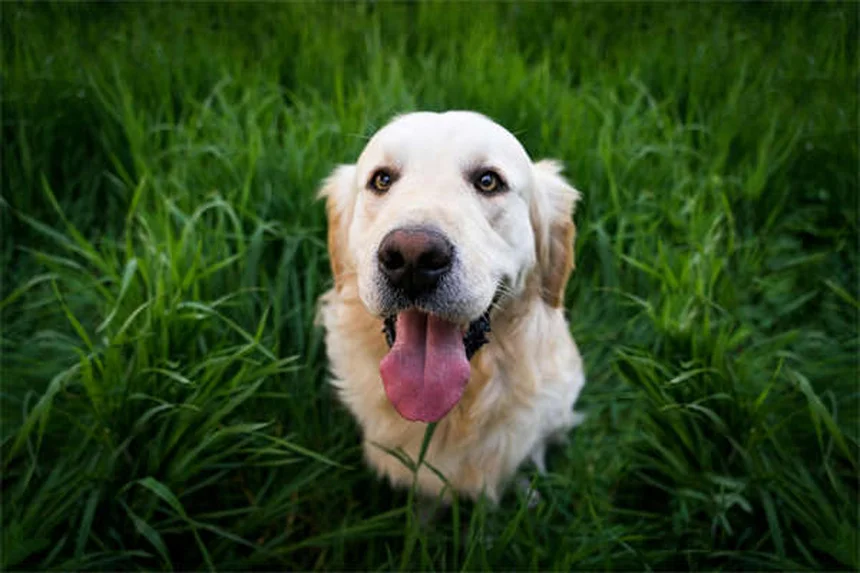 Photos provided by pixabay
Your Dog's Favorite Places Might Be Risky
Think your urban pup is safe? Think again! While Western states see the most foxtail action, I've pulled these buggers out of city dogs too. Here's where they love to hide:
- Hiking trails (especially the overgrown ones)
- Dog parks with tall grass
- Vacant lots where weeds grow wild
- Your own backyard if you're not careful with maintenance
How Weather Plays a Role
Here's something interesting - foxtails actually change behavior with the weather. When it's dry and warm (aka perfect summer weather), they become brittle and break off easily, just waiting to hitch a ride on your passing pup. It's like they have a sixth sense for finding dogs!
The Scary Truth About Foxtail Dangers
More Than Just a Nuisance
Why am I making such a big deal about some grass? Because I've seen what happens when foxtails go unchecked. That cute head shake your dog does? Could be a foxtail in the ear canal. The sudden sneezing fit? Might be one lodged in the nostril.
The real nightmare begins when they penetrate the skin. I once treated a golden retriever who had a foxtail migrate from his paw all the way to his shoulder! The bacteria they carry can cause serious infections that require antibiotics or even surgery.
 Photos provided by pixabay
Your Dog's Favorite Places Might Be Risky
Want to know where to check your dog most carefully? Here's the danger zone list:
1. Ears (watch for head shaking)
2. Eyes (excessive blinking is a red flag)
3. Nose (sudden sneezing attacks)
4. Paws (licking between toes constantly)
5. Armpits/groin (hidden but vulnerable areas)
Spotting Trouble: Foxtail Warning Signs
Immediate Symptoms to Watch For
Is your dog acting weird after being outside? Here's what should set off your foxtail alarm bells:
- Violent head shaking that won't stop
- Pawing at face or ears repeatedly
- Sudden limping with no obvious injury
- Strange snorting sounds
- Bloody nose without explanation
Delayed Reactions That Mean Trouble
Sometimes symptoms take days to appear. If you notice any of these, vet visit ASAP:
- Mysterious lumps or bumps
- Red, angry-looking skin patches
- Unusual tiredness or depression
- Loss of appetite (always concerning)
- Weird discharge from any body opening
Remember my client whose lab started refusing food? Turned out to be a foxtail lodged in the tonsils. These things are sneaky!
Foxtail First Aid: What You Can Do
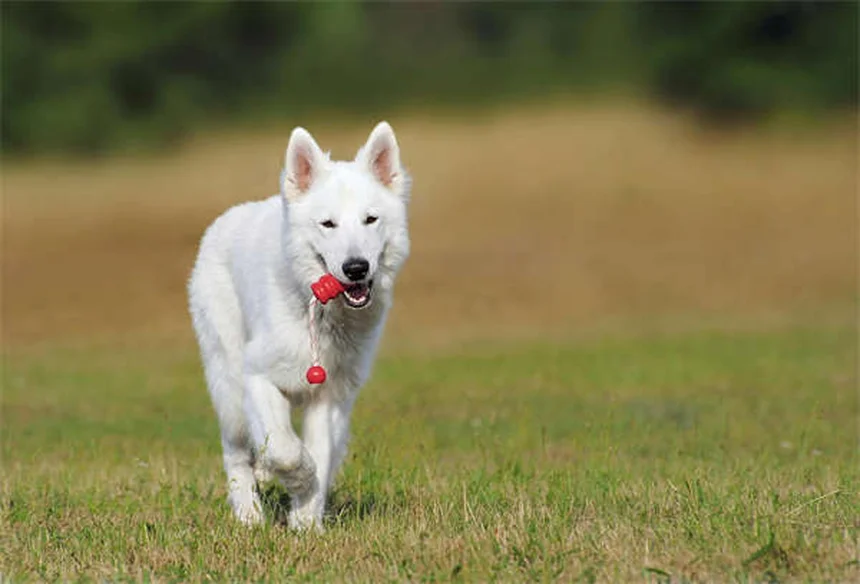 Photos provided by pixabay
Your Dog's Favorite Places Might Be Risky
Found a foxtail on your dog's fur? Here's my step-by-step guide:
1. Stay calm - your dog will pick up on your stress
2. Use tweezers with good grip
3. Grab as close to the skin as possible
4. Pull straight out in one smooth motion
5. Check the area for leftover pieces
When to Call the Vet
Here's an important question: When should you NOT try DIY removal? The answer: anytime the foxtail has entered a body opening or penetrated skin. Those backward barbs mean you might break it off, leaving part inside to cause more trouble.
I can't tell you how many times I've had to go spelunking in a dog's ear canal because an owner tried to remove a foxtail and only got part of it. Save yourself the headache (and your dog the pain) - when in doubt, vet it out!
Prevention Is Better Than Cure
Grooming Strategies That Help
Long-haired dogs are foxtail magnets. My pro tip? Give them a summer trim, especially around the ears, paws, and belly. It's not just about looks - it's about safety!
For serious outdoor adventurers, consider protective gear like:
- Mesh vests that cover the torso
- Booties for paw protection
- Snoods (yes, that's a real thing!) for ear coverage
Landscaping and Walking Tips
Want to really reduce risks? Try these:
- Keep your yard trimmed short
- Avoid overgrown areas on walks
- Use shorter leashes in high-risk zones
- Check your dog immediately after outdoor fun
- Consider creating a foxtail-free play area at home
One of my clients even trained their border collie to stand still for "foxtail checks" after walks. Genius!
When Disaster Strikes: Emergency Care
Worst-Case Scenarios
Let's talk about the scary stuff so you're prepared. In rare cases, foxtails can reach:
- Lungs (causing pneumonia-like symptoms)
- Spinal cord (neurological issues may appear)
- Abdominal organs (vomiting, severe pain)
If your dog shows any of these signs, it's emergency vet time. Advanced imaging like CT scans might be needed to locate the invader.
Treatment Options
Depending on where the foxtail is lodged, your vet might use:
- Special scopes for ears/nose
- Surgery for deep penetration
- Antibiotics for secondary infections
- Pain management during recovery
The good news? With prompt treatment, most dogs recover completely. The key is not waiting until things get bad.
Foxtail FAQs: Your Top Questions Answered
Are Some Dogs More at Risk?
You bet! High-risk candidates include:
- Hunting/working dogs
- Long-haired breeds
- Dogs that love to romp in tall grass
- Curious puppies who explore with their faces
Can Foxtails Affect Humans Too?
Interesting question! While less common, yes - I've removed foxtails from human socks, shoes, and even a very unlucky hiker's leg. But our thicker skin and (usually) better hygiene habits make us less vulnerable than our canine companions.
The bottom line? Stay vigilant during foxtail season, know what to look for, and don't hesitate to seek professional help when needed. Your dog's health is worth it!
The Hidden Dangers Beyond Foxtails
Other Summer Plant Hazards for Dogs
While foxtails get all the attention, they're not the only plants that can ruin your dog's summer fun. Have you ever noticed your pup suddenly scratching like crazy after a walk? Burr clover might be the culprit - those tiny round stickers love to embed themselves in paw pads.
Then there's cheatgrass, another sneaky offender that behaves similarly to foxtails but tends to be more common in urban areas. I once treated a bulldog who had cheatgrass stuck between his toes for three days before his owners noticed - the poor guy had been licking his paws raw!
Insect Encounters Gone Wrong
Summer means bugs, and bugs mean trouble for curious noses. How many times have you seen your dog stick their face right into a buzzing flower bed? Bees and wasps don't appreciate this attention, and the resulting stings can swell dangerously fast.
Here's a pro tip: always carry Benadryl (with your vet's approval) during summer walks. The standard dosage is 1mg per pound of body weight, but check with your vet first. I've saved many emergency vet visits with this simple precaution!
Water Woes You Might Not Expect
The Truth About Blue-Green Algae
Picture this perfect summer scene: your dog splashing happily in a pond on a hot day. Now imagine that same water containing a potentially deadly neurotoxin. Blue-green algae blooms are becoming more common with rising temperatures, and they can kill a dog within hours of exposure.
How can you tell if water's safe? Here's what I tell my clients:
| Safe Water Signs | Dangerous Water Signs |
|---|---|
| Clear visibility | Greenish scum on surface |
| Moving current | Stagnant, smelly water |
| Official swimming areas | Isolated ponds |
Hidden Currents and Other Water Hazards
Even in safe water, summer brings unique risks. Did you know dogs can get water intoxication from swallowing too much while playing? It's rare but serious - symptoms include lethargy, bloating, and in severe cases, seizures.
And let's talk about river currents - that happy Labrador charging into moving water might not realize how strong the undertow is until it's too late. I always recommend dog life jackets for any water adventures beyond shallow wading.
Summer First Aid Kit Essentials
Must-Have Items for Outdoor Adventures
You wouldn't go camping without supplies, so why risk it with your dog? Here's what lives in my summer dog first aid kit:
- Tick removal tool (way better than tweezers!)
- Sterile saline eye wash for flushing debris
- Self-adhering bandage (no sticky fur pulling)
- Digital thermometer (normal is 101-102.5°F)
- Emergency vet contacts saved in your phone
DIY Solutions That Actually Work
Ever been miles from help when your dog gets a minor cut? A clean sock makes a great temporary paw wrap in a pinch. For bee stings, a paste of baking soda and water can help neutralize the venom while you get to proper care.
But here's my favorite hack: keep a cooling mat in your car for hot summer drives. You can make one by soaking a towel in cold water and placing it in a ziplock bag - instant relief for overheated pups!
Behavior Changes to Watch For
Heat Stress Signals Many Miss
Panting is normal, but when should you worry? If your dog's tongue hangs sideways or their gums turn bright red, it's time to cool down immediately. I've seen too many cases where owners didn't recognize the signs until their dog collapsed.
Here's a simple test: press on your dog's gums - the color should return within 2 seconds. Longer? Could mean dehydration or heat stress. Dark red gums that don't pale when pressed? Emergency situation - get to a vet fast!
The Thunderstorm Phenomenon
Why do some dogs lose their minds during summer storms? It's not just the noise - the static electricity in the air actually makes their fur tingle! I've had clients whose dogs tried to dig through bathtubs or chew through doors to escape.
If your dog freaks out during storms, try this: set up a safe den space in an interior room with white noise. Some dogs do amazingly well with compression shirts too - it's like a constant hug that makes them feel secure.
Food Safety in the Heat
Picnic Perils for Pups
That harmless-looking picnic spread could land your dog in the ER. Did you know corn cobs are one of the most common summer surgery cases? They're the perfect size to cause intestinal blockages.
And those yummy kabob sticks? I've removed three from dogs' mouths this season alone. The worst part? Dogs often swallow them without showing pain until it's too late.
Keeping Meals Safe Outside
Here's a scary thought: how long has that dog bowl been sitting in the sun? Bacteria multiply crazy fast in summer heat. I recommend stainless steel bowls that you can refresh with cool water frequently.
For camping trips, try freezing your dog's meals in advance - they'll thaw slowly and stay fresh longer. Just watch for signs of food spoilage like unusual odors or texture changes. Your dog's nose knows best!
Paw Protection Like You've Never Considered
Hot Surface Dangers
Ever walked barefoot on hot pavement? Now imagine doing it in a fur coat! Asphalt can reach 140°F on a 90°F day - hot enough to cause serious burns in minutes.
Here's a simple test: place your palm on the surface for 7 seconds. If it's too hot for you, it's definitely too hot for your dog's paws. Early morning or late evening walks are safest in peak summer.
Innovative Paw Care Solutions
Beyond booties (which many dogs hate), try these paw protectors:
- Paw wax creates a protective barrier
- Cooling gel pads stick right to their paws
- Mesh booties allow airflow while preventing burns
My favorite discovery? Some dogs tolerate baby socks better than traditional booties - just make sure they have non-slip grips on the bottom!
The Joy of Summer Done Right
Making Memories Safely
With all these warnings, you might think I'm against summer fun. Quite the opposite! Some of my best memories are of hiking with my dogs at sunrise, watching them splash in safe streams, and enjoying lazy evenings together.
The key is informed enjoyment. Know the risks, take precautions, then relax and make those precious summer memories. After all, isn't that what having a dog is all about?
Creating Summer Traditions
Why not start some safe summer rituals? Maybe it's frozen peanut butter Kongs on the porch, or early morning beach walks before the crowds arrive. One of my clients makes "pupsicles" with low-sodium broth and their dog's favorite treats.
The possibilities are endless when you combine creativity with safety. Here's to many happy, healthy summers with your best furry friend!
E.g. :Foxtail grass can be dangerous for dogs -- what to know: : r ...
FAQs
Q: What does a foxtail look like on a dog?
A: Foxtails on your dog might look like small, wheat-colored bristles sticking out from their fur, often around the ears, paws, or underbelly. These pesky grass awns have a distinctive arrow-like shape with microscopic barbs that make them dig deeper into your dog's skin or fur when touched. I always tell my clients to look for anything that resembles a tiny spearhead - if you see something pointy that doesn't brush off easily, it could be a foxtail. The real danger comes when they're not visible anymore because they've already started burrowing into your dog's skin or body openings.
Q: How do I know if my dog has a foxtail injury?
A: Watch for these telltale signs your dog may have encountered a foxtail: sudden excessive head shaking, persistent pawing at their face or ears, unexplained sneezing fits, or limping without obvious cause. From my veterinary experience, these are the most common early warnings. More serious symptoms include bloody discharge, swelling, or your dog acting depressed and not eating - these mean the foxtail may have already traveled deeper and requires immediate veterinary attention. Remember, foxtails don't just cause surface irritation; they can migrate through your dog's body causing internal damage.
Q: Can I remove a foxtail from my dog myself?
A: You can attempt to remove visible foxtails from your dog's fur using tweezers, but there's a big caution here. If the foxtail has already penetrated the skin or entered any body opening (ears, nose, eyes, etc.), don't try DIY removal - you might break it off and leave part inside. I've treated too many cases where well-meaning owners accidentally pushed the foxtail deeper while trying to help. The safest approach is gentle inspection after every outdoor adventure, and when in doubt, schedule a vet visit. Professional removal ensures we get the entire foxtail and can properly treat any resulting wounds.
Q: What time of year are foxtails most dangerous for dogs?
A: Foxtail season typically runs from late spring through summer when these grasses dry out and become brittle. In my practice here in California, we see the most foxtail cases between May and September. However, the exact timing depends on your region's climate - they appear earlier in warmer areas and later where winters linger. The key is to be extra vigilant whenever you see tall, dry grasses during outdoor activities with your dog. Even in winter, some foxtail heads can remain intact in certain environments, so year-round awareness is best.
Q: Are certain dog breeds more susceptible to foxtail problems?
A: Absolutely! Dogs with long, thick coats like Golden Retrievers, Collies, and Sheepdogs tend to collect more foxtails in their fur. Hunting breeds and outdoor-working dogs are also at higher risk simply because of their active lifestyles. But here's something many owners don't realize - even short-haired dogs can get foxtails in their ears, nose, and between their toes. That's why I recommend all dog owners in foxtail-prone areas learn to recognize the signs, regardless of their dog's breed or coat type. Prevention is truly the best medicine when it comes to these nasty grass seeds.