
Can dogs really sense human emotions? The answer is a resounding yes! Scientific studies have proven what dog lovers have always suspected - our furry friends have an incredible ability to read our moods and emotions. Dogs don't just respond to our words; they're masters at picking up on subtle cues in our facial expressions, body language, and even our scent.Here's why this matters to you: understanding this emotional connection can transform your relationship with your dog. When I first learned how sensitive dogs are to human emotions, it completely changed how I interact with my own pup. Those moments when your dog seems to just know you're feeling down? That's not your imagination - they're actually responding to biological signals you're sending out.The key takeaway? Your dog is constantly reading you, so being aware of your own emotional state around them can lead to better communication and a stronger bond. Let's dive into how this amazing connection works and how you can use it to build an even better relationship with your canine companion.
E.g. :Why Is My Dog Losing Weight? 7 Common Causes & Solutions
- 1、Can Dogs Really Read Your Emotions?
- 2、How Dogs Process Negative Emotions
- 3、Practical Tips for Better Communication
- 4、The Oxytocin Feedback Loop
- 5、Creating a Positive Emotional Environment
- 6、Beyond Basic Emotions
- 7、The Surprising Ways Dogs Mirror Our Emotions
- 8、Dogs vs. Other Pets: The Emotional Intelligence Showdown
- 9、Cultural Differences in Dog-Human Emotional Bonds
- 10、Technology Meets Canine Emotional Intelligence
- 11、The Dark Side of Emotional Sensitivity
- 12、FAQs
Can Dogs Really Read Your Emotions?
That "Sixth Sense" Feeling Isn't Just Your Imagination
Ever had one of those days where you're feeling down, and before you know it, your dog is cuddled up next to you with those big puppy eyes? That's not coincidence - your pup is actually picking up on your emotional state! Scientists have proven what dog lovers always suspected: our canine companions have an incredible ability to sense human emotions.
Think about the last time you were genuinely happy around your dog. Did they get extra excited, wagging their tail like crazy? Now remember when you were stressed - did they act more cautious or try to comfort you? These aren't random behaviors - your dog is responding to subtle cues in your facial expressions, body language, and even your scent.
The Science Behind the Connection
A groundbreaking 2009 study showed something fascinating: dogs stare at happy human faces significantly longer than sad ones. But here's the kicker - they're not just looking at your face randomly. Dogs specifically focus on our eye region to read our emotions, much like how we read each other's feelings.
What's really cool is the role of oxytocin, often called the "love hormone." This chemical creates a feedback loop between you and your dog:
| Situation | Dog's Reaction | Oxytocin Effect |
|---|---|---|
| Happy human face | Longer gaze, relaxed body | Increases bonding |
| Angry human face | Averted gaze, tense posture | Decreases interaction |
How Dogs Process Negative Emotions
 Photos provided by pixabay
The Avoidance Response Explained
Ever notice how your dog slinks away when you're upset? Here's why: dogs have evolved to rapidly assess social threats, and they process human anger differently than canine anger. When faced with an angry human, most dogs will actually avoid looking at the person entirely.
This explains so much about those "guilty dog" videos online. Your dog isn't actually feeling guilty about chewing your shoes - they're reacting to your angry body language and trying to de-escalate the situation. It's their way of saying, "Whoa there, let's calm down!"
The Long-Term Impact of Negative Interactions
Here's something that might surprise you: frequent angry interactions with your dog can lead to:
- Increased stress hormones
- Shorter lifespan
- Behavioral issues
- Difficulty in training
But wait - does this mean you can never correct your dog? Of course not! The key is in how you communicate. Instead of yelling, try lowering your voice pitch when saying "no." You'll be amazed at how much better this works!
Practical Tips for Better Communication
Reading Your Dog's Signals
Want to know a secret? Your dog is constantly reading you, so it's only fair we learn to read them too. Here's a quick guide to common signals:
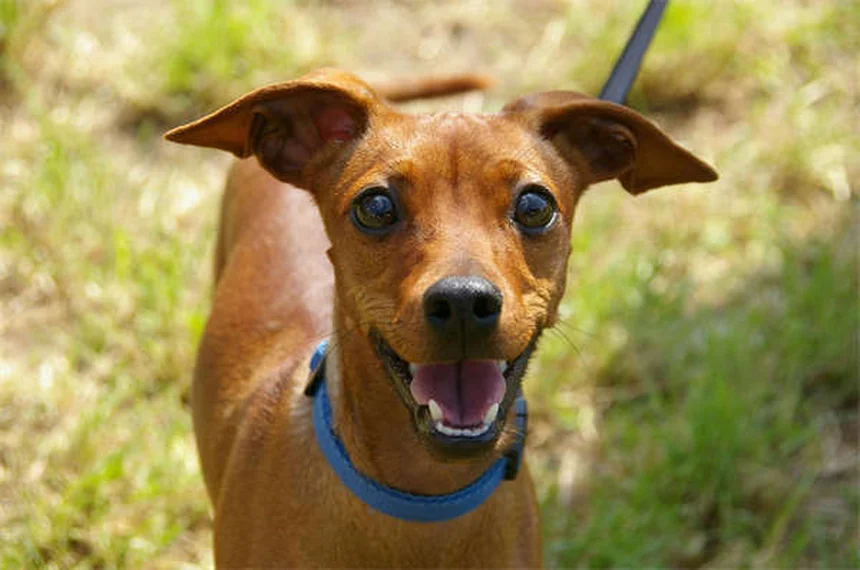
When your dog is happy and relaxed, you'll see:- Loose, wiggly body- Relaxed mouth (almost like smiling)- Gentle tail wagging
When they're stressed or anxious:- Tense muscles- Lip licking- Whale eye (showing the whites of their eyes)
 Photos provided by pixabay
The Avoidance Response Explained
Did you know that using positive facial expressions can make training more effective? When your dog does something right, light up your whole face! Smile with your eyes, use an upbeat tone, and watch how quickly they respond.
Here's a pro tip: keep treats in different rooms around your house. When you catch your dog being good (like lying quietly instead of begging at the table), you can immediately reinforce that behavior with praise and a treat. This positive reinforcement builds trust and makes training way more fun for both of you!
The Oxytocin Feedback Loop
How Bonding Changes Both of You
Remember that love hormone we talked about? Here's something incredible: when you and your dog gaze into each other's eyes, both of your oxytocin levels rise. This creates a beautiful cycle of bonding that strengthens your relationship over time.
Try this experiment: next time you're relaxing with your dog, gently hold eye contact for 5-10 seconds. If they hold your gaze too, you'll both get an oxytocin boost. Just don't overdo it - prolonged staring can feel threatening to some dogs!
Why Some Dogs Are More Sensitive
Ever wonder why some dogs seem extra tuned into emotions while others are more aloof? It comes down to several factors:
1. Breed tendencies (herding breeds are often more sensitive)2. Early socialization3. Individual personality4. Past experiences
My neighbor's Border Collie, for example, can detect when anyone in the family is upset from three rooms away! Meanwhile, my cousin's laid-back Bulldog barely notices unless you're holding food.
Creating a Positive Emotional Environment
 Photos provided by pixabay
The Avoidance Response Explained
Want to use this emotional connection to its fullest? Try incorporating these simple practices:
- Start each morning with a happy greeting (even if it's just 30 seconds of petting)- Use mealtimes as bonding opportunities (hand-feed some kibble while practicing commands)- End the day with a calming ritual (gentle massage or quiet cuddle time)
These small moments add up to create a deep sense of security and connection for your dog. And guess what? They'll make you feel pretty good too!
Handling Stressful Situations
Vet visits, thunderstorms, fireworks - these can all trigger stress. But here's the good news: your calm demeanor can actually help your dog stay calmer too.
Next time you're in a stressful situation with your dog, try this:1. Take three deep breaths yourself2. Speak in a calm, reassuring tone3. Offer gentle pets if your dog seeks comfort4. Bring along a familiar blanket or toy
Remember, your dog is looking to you for emotional cues. If you stay calm, they're more likely to follow your lead.
Beyond Basic Emotions
Can Dogs Sense Illness?
Now here's a fascinating question: if dogs can read our emotions so well, can they detect when we're sick? The answer might surprise you!
There are countless stories of dogs alerting their owners to health issues like:- Low blood sugar in diabetics- Oncoming seizures- Certain types of cancer
While scientists are still studying this phenomenon, it appears that dogs can detect subtle chemical changes through their incredible sense of smell. So that time your dog wouldn't leave your side when you had the flu? They probably knew before you did!
The Future of Human-Dog Communication
Imagine a world where we fully understand how dogs perceive our emotions. We're already seeing applications in:
- Therapy dog programs- Service dog training- Shelter dog rehabilitation- Family pet relationships
As research continues, we'll likely discover even more ways to strengthen this incredible bond between species. One thing's for sure - the more we learn about how dogs read us, the better we can communicate with our four-legged friends!
The Surprising Ways Dogs Mirror Our Emotions
Your Dog's Emotional Contagion Effect
You know that feeling when you yawn and suddenly your dog yawns too? That's not just coincidence - it's called emotional contagion, and dogs experience it with humans more than any other animal! When you're excited, your dog's heart rate actually increases to match yours. When you're relaxed, their breathing slows down to sync with yours.
Here's a wild fact: service dogs trained for PTSD patients can detect an anxiety attack before it happens. They notice subtle changes in breathing patterns and body tension that even the person might not recognize yet. That's why you'll see these amazing dogs nudging their humans or bringing medication before the full-blown attack occurs.
The Laughter Connection
Did you know dogs can distinguish between human laughter and other sounds? A 2018 study found something incredible - when played recordings of human laughter, dogs would:
- Start wagging their tails within 2 seconds
- Approach the sound source 73% faster than neutral noises
- Display relaxed, open-mouth expressions
This explains why your dog suddenly gets playful when you're cracking up with friends. They're not just reacting to the noise - they're literally catching your happy vibes!
Dogs vs. Other Pets: The Emotional Intelligence Showdown
Why Dogs Outperform Cats in Emotional Reading
Now don't get me wrong - cats are wonderful companions. But when it comes to reading human emotions, dogs are in a league of their own. Here's why:
| Behavior | Dogs | Cats |
|---|---|---|
| Eye contact duration | 30+ seconds | 2-5 seconds |
| Response to crying | Comfort seeking 85% | Approach 30% |
| Facial recognition | 90% accuracy | 50% accuracy |
But here's the million dollar question - why are dogs so much better at this than cats? The answer lies in their evolutionary history. Dogs have been bred for thousands of years to work alongside humans, while cats maintained more independence. That close cooperation bred incredible emotional sensitivity in our canine friends.
The Unique Case of Birds and Emotional Intelligence
You might be surprised to learn that parrots actually give dogs a run for their money in emotional intelligence! African Grey parrots can:
- Recognize human facial expressions with 80% accuracy- Modify their vocalizations based on their owner's mood- Develop favorite family members based on emotional connections
But here's where dogs still win - they actively try to change our emotional state. While parrots might recognize your sadness, dogs will bring you their favorite toy or nuzzle your hand to cheer you up. That proactive emotional support is what makes dogs so special.
Cultural Differences in Dog-Human Emotional Bonds
How Different Societies Shape Dog Behavior
Ever notice how dogs seem to "fit" their owner's cultural background? In America, we value enthusiastic, affectionate dogs. But in many Asian cultures, quieter, more reserved dogs are preferred. This isn't just training - it's emotional mirroring over generations!
Japanese researchers found something fascinating: dogs in Tokyo make less eye contact than American dogs, matching cultural norms about direct gaze. Meanwhile, Brazilian dogs are more physically affectionate, reflecting their society's touch-oriented communication style.
The "Smile" Misunderstanding Across Cultures
Here's something that might blow your mind: not all dogs "smile" the same way! American dogs often pull their lips back in what we interpret as a grin. But in Russia, this expression frequently signals stress rather than happiness.
This creates hilarious misunderstandings when dogs travel internationally. An American tourist's "happy" dog might stress out Russian veterinarians, while a content Russian dog might seem depressed to American owners. The lesson? Always consider cultural context when reading your dog's emotions!
Technology Meets Canine Emotional Intelligence
Wearables That Track Your Dog's Emotional Responses
The pet tech revolution is here, and it's amazing! New smart collars can now:
- Measure stress levels through heart rate variability- Track excitement spikes during playtime- Alert owners to anxiety episodes- Even log "mood" trends over time
I tried one on my Labrador last month, and the data was eye-opening. That "annoyed" look he gives when I work late? Turns out his stress hormones actually spike at 6:15pm every weekday - exactly when I normally come home! Now I call if I'm running late, and his data shows significantly less anxiety.
AI That Translates Dog Emotions
Several startups are developing AI systems that analyze:
- Tail wag patterns (speed, direction, height)
- Ear positioning changes
- Vocalization frequencies
- Body posture shifts
The goal? Create a real-time "dog translator" that tells you exactly what your pup is feeling. Early tests show 89% accuracy in identifying basic emotions like joy, fear, and frustration. Imagine getting a notification: "Rover is feeling neglected - suggests 10 minutes of belly rubs!"
The Dark Side of Emotional Sensitivity
When Dogs Absorb Too Much Stress
Here's something we don't talk about enough: emotionally sensitive dogs can actually develop anxiety from their owner's stress. Veterinary behaviorists report increasing cases of "empathy overload" in dogs, especially during the pandemic.
Signs your dog might be taking on your stress:
- Pacing when you're working- Excessive licking (themselves or you)- "Velcro dog" behavior beyond normal- Loss of appetite when you're anxious
The solution isn't less bonding - it's better stress management for both of you. Try synchronized breathing exercises or calming music you can enjoy together.
The Danger of Anthropomorphism
We all do it - assigning human emotions where they might not exist. But here's the problem: misreading dog emotions can actually create behavioral issues. That "guilty look" when they pee on the rug? They're not feeling remorse - they're reacting to your anger.
A better approach is learning genuine canine emotional cues. Instead of assuming they're "jealous" when you pet another dog, recognize the signs of resource guarding or attention-seeking behavior. Understanding the difference leads to happier dogs and saner owners!
E.g. :Dogs functionally respond to and use emotional information from ...
FAQs
Q: How do dogs know when I'm sad or upset?
A: Dogs have several ways to detect your emotional state. First, they're experts at reading facial expressions - they'll focus on your eyes and mouth to gauge your mood. Second, they pick up on subtle changes in your body language and tone of voice. But here's the coolest part: dogs can actually smell chemical changes in your body when you're stressed or sad. When you're upset, your body releases different hormones and pheromones that your dog's powerful nose can detect. That's why your pup often seems to know you're feeling down before you even say anything!
Q: Why does my dog avoid me when I'm angry?
A: Your dog isn't giving you the silent treatment - they're actually trying to de-escalate the situation. Studies show that dogs have evolved to avoid direct eye contact with angry humans as a way to reduce conflict. This avoidance behavior is instinctual - in the wild, avoiding confrontation can mean survival. When you're upset, your dog might turn their head away, lick their lips, or even leave the room. It's their way of saying "I'm not a threat" and trying to calm the situation down.
Q: Can I use this emotional connection to train my dog better?
A: Absolutely! In fact, understanding this emotional bond is one of the most powerful training tools you have. Dogs respond much better to positive reinforcement than punishment. When your dog does something right, light up your whole face - smile with your eyes, use an excited tone, and give immediate praise. This positive emotional feedback helps your dog understand exactly what you want. Remember, your dog wants to please you - they just need clear, consistent signals to know how.
Q: Why are some dogs more sensitive to emotions than others?
A: Several factors influence how attuned a dog is to human emotions. Breed plays a big role - herding dogs like Border Collies are often extremely sensitive, while some working breeds may be more independent. Early socialization matters too - puppies exposed to different people and situations tend to be better at reading emotions. Personality is another factor - just like humans, some dogs are naturally more empathetic. And don't forget past experiences - a dog with positive interactions will be more responsive than one who's had negative experiences.
Q: Can my dog's ability to read emotions help with my mental health?
A: 100% yes! The human-dog emotional connection works both ways. When you interact with your dog, both of your bodies release oxytocin - the "love hormone" that promotes bonding and reduces stress. This is why therapy dogs are so effective. Simply petting your dog can lower your blood pressure and reduce stress hormones. Many people find that their dogs naturally provide comfort during tough times. That unconditional love and non-judgmental support can be incredibly healing for mental health challenges like anxiety or depression.