
What does a veterinary technician do? The answer is: Veterinary technicians are your pet's behind-the-scenes healthcare heroes, handling everything from routine checkups to emergency care under vet supervision. Think of them as the nurses of the animal world - they're the ones who actually spend the most hands-on time with your furry friend during vet visits!I've seen firsthand how these AVMA-certified professionals make a real difference in animal care. From the moment you walk into the clinic, your vet tech is the one greeting you, taking your pet's temperature (yes, that way!), and carefully noting all your concerns. They're trained to run lab tests, take X-rays, assist in surgeries, and even clean your pet's teeth - all while keeping your nervous buddy calm and comfortable.Here's something most pet owners don't realize: your vet tech probably notices subtle changes in your pet's behavior before anyone else. That's because they're with animals all day, every day, developing an almost sixth sense about what's normal and what's not. Next time you visit, take a moment to chat with them - you'll be amazed at how much they know about keeping your pet healthy!
E.g. :5 Best Dog-Friendly National Parks in the U.S. for Epic Adventures
- 1、Meet Your Pet's Superhero: The Veterinary Technician
- 2、The Secret Life of Veterinary Technicians
- 3、FAQs
Meet Your Pet's Superhero: The Veterinary Technician
Who Exactly is a Veterinary Technician?
Picture this - you walk into an animal hospital with your furry friend, and the first smiling face you see belongs to someone like Sandy. Veterinary technicians are the backbone of animal healthcare teams, and here's why they're so important.
Did you know these animal care pros complete rigorous training? They graduate from AVMA-accredited programs that cover everything from anatomy to emergency care. In many states, they must pass a tough certification exam too - meaning your pet gets care from highly qualified professionals.
What Can a Vet Tech Do For Your Pet?
Think of vet techs as the Swiss Army knives of animal hospitals. While they can't perform surgery or prescribe medications (that's the vet's job), they handle practically everything else!
Here's a quick comparison of what vets and vet techs typically do:
| Service | Veterinarian | Veterinary Technician |
|---|---|---|
| Physical Exams | ✓ (Diagnosis) | ✓ (Preliminary) |
| Lab Tests | ✓ (Interpret results) | ✓ (Collect samples & run tests) |
| Dental Cleaning | ✓ (Advanced procedures) | ✓ (Routine cleaning) |
 Photos provided by pixabay
A Day in the Life: More Exciting Than You Think!
Morning Routine: Welcoming Patients
When you first arrive, it's often the vet tech who greets you with that reassuring smile. They'll:
- Take your pet's vital signs (yes, that includes the dreaded thermometer!)
- Listen carefully to your concerns
- Document everything for the vet
Ever wonder why they ask so many questions? It's because those details help the vet make better decisions about your pet's care. That scratch behind the ears while they're talking? That's just bonus love!
Afternoon Adventures: Tests and Procedures
This is where things get really interesting. Vet techs might:
Run lab tests using some pretty cool high-tech equipment. From checking for heartworm to analyzing blood samples, they make sure everything's done right. And when your pet needs X-rays? They're the ones getting those perfect shots while keeping your furry friend calm and comfortable.
"But what if my pet needs surgery?" you might ask. Great question! The vet tech prepares everything - from sterilizing equipment to making sure anesthesia is ready. During the procedure, they monitor your pet's vital signs like a hawk watching its prey (except way more caring!).
Special Skills You Didn't Know About
Dental Detectives
Bad breath isn't just unpleasant - it can signal serious health issues. Vet techs are trained to:
- Clean teeth using ultrasonic cleaners (think of it as a mini car wash for teeth!)
- Spot potential problems early
- Teach you how to brush your pet's teeth (good luck with that!)
They might even show you some funny before-and-after photos of pet dental work. Trust me, you've never seen a cat smile so wide!
Recovery Room Rockstars
After any procedure, vet techs provide the TLC your pet needs. They:
Monitor recovery closely, administer pain medication as directed, and make sure your pet stays comfortable. Ever seen a dog wearing the "cone of shame"? The vet tech probably helped fit it properly while giving plenty of reassurance (to both pet and owner!).
Why You Should Get to Know Your Vet Tech
Next time you visit the animal hospital, take a moment to chat with the vet tech. Ask about their training - with over 80 AVMA-accredited programs nationwide, they might have an interesting story about their education journey.
These professionals choose this career because they genuinely love animals. That patience they show when your nervous dog won't stop barking? That's real dedication. The way they comfort your cat during nail trims? Pure skill.
Remember, while vets get most of the credit, it's often the vet techs spending the most hands-on time with your pet. They're the ones who notice if Fluffy seems extra sleepy today or if Rover's appetite has changed. That's why they're such valuable members of your pet's healthcare team!
 Photos provided by pixabay
A Day in the Life: More Exciting Than You Think!
• They can often tell what's wrong with an animal just by its behavior (animal whisperers, anyone?)
• Many specialize in areas like emergency care or zoo animals
• Their stethoscopes come in fun colors and patterns
• They've probably been peed on, pooped on, and scratched more times than they can count - and still love their jobs!
So the next time you see a vet tech in action, give them an appreciative smile. They work hard to keep our furry family members healthy and happy. After all, where would we be without these animal-loving superheroes?
The Secret Life of Veterinary Technicians
Beyond the Scrubs: What Makes Vet Techs Special
You know that amazing vet tech who always remembers your dog's name? There's way more to their job than meets the eye. These animal care professionals often develop sixth senses about pets - they can spot subtle signs of illness that even the most attentive pet parents might miss.
Ever notice how they handle the grumpiest cats with ease? That's because they've mastered the art of animal body language interpretation. While we're stressing about our pet's vet visit, they're reading ear twitches, tail positions, and whisker movements like an open book.
The Emotional Side of Animal Care
Let's talk about something most people don't consider - the emotional rollercoaster vet techs ride daily. One minute they're celebrating a puppy's first shots, the next they're comforting a family saying goodbye to their senior dog.
How do they keep going through all this? The answer might surprise you. Most vet techs develop unique coping mechanisms - some keep photo walls of success stories, others have special rituals after tough days. What's incredible is they still manage to bring warmth and positivity to every appointment.
| Emotional Challenge | How Vet Techs Cope | Why It Matters |
|---|---|---|
| Compassion fatigue | Peer support groups | Prevents burnout |
| Difficult cases | Focusing on small wins | Maintains optimism |
| Euthanasia | Creating paw print memorials | Honors the bond |
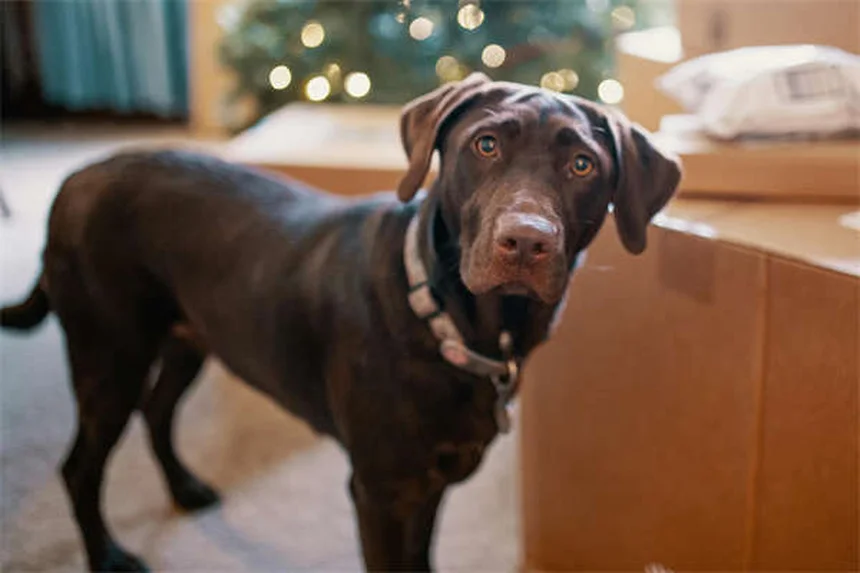 Photos provided by pixabay
A Day in the Life: More Exciting Than You Think!
The Digital Transformation
Modern vet techs aren't just good with animals - they're tech wizards too! Today's animal hospitals use:
- Digital X-ray systems that show results instantly
- Electronic medical records accessible from tablets
- Advanced monitoring equipment during surgeries
Remember when your grandma said "back in my day"? Well, back in the day, vet techs developed film X-rays in darkrooms. Now they can email you your cat's dental images before you even leave the parking lot!
Telemedicine Revolution
Here's something you might not know - many vet techs now assist with virtual consultations. They'll walk you through:
Taking your dog's temperature at home, describing symptoms accurately, and even helping position your phone camera so the vet can see that weird rash properly. It's like having a veterinary assistant in your pocket!
Career Paths You Never Imagined
Think all vet techs work in small animal clinics? Think again! These versatile professionals branch into fascinating specialties:
Some work with marine mammals at aquariums, monitoring everything from dolphin diets to sea turtle rehabilitation. Others join wildlife rescue teams, caring for everything from injured owls to orphaned bear cubs. There's even a growing field of veterinary forensic technicians who help solve animal cruelty cases.
"But don't they need special training for that?" Absolutely! Many complete additional certification programs in their chosen specialty. The cool part? Their core vet tech training gives them the perfect foundation to branch out in these exciting directions.
The Future of Veterinary Technology
Emerging Technologies
Get ready for some sci-fi becoming reality in animal care:
- 3D printing for custom prosthetics
- Virtual reality for fear-free vet visits
- AI-assisted diagnostic tools
Vet techs will be at the forefront of implementing these innovations. Imagine a world where anxious pets can "visit" the vet office virtually first, or where 3D-printed braces help dogs with hip dysplasia run pain-free. That future is closer than you think!
Preventive Care Pioneers
The next generation of vet techs will focus more on:
Keeping animals healthy rather than just treating sickness. We're talking nutrition counseling, behavior modification programs, and advanced wellness monitoring. Your vet tech might soon help you set up a home health tracking system for your pet, kind of like a Fitbit for Fido!
How You Can Support Vet Techs
After learning all this, you're probably wondering how to show appreciation for these unsung heroes. Here are some simple ways:
A heartfelt thank-you note can make their week. Remembering their name (it's usually on their badge!) shows you see them as individuals. Even just being patient during busy times helps reduce their stress. And if you really want to make their day? Bring some treats for the staff - vet techs love coffee and snacks as much as the rest of us!
The bottom line? Vet techs do incredible work every day, often without much recognition. Next time you visit the animal hospital, take a moment to appreciate these dedicated professionals who help keep our furry family members healthy and happy.
E.g. :Veterinary technicians and veterinary assistants | American ...
FAQs
Q: What's the difference between a vet and a veterinary technician?
A: Here's the key difference: while veterinarians diagnose conditions and prescribe treatments, veterinary technicians handle the hands-on patient care. Think of it like doctors and nurses in human medicine. Your vet tech will take your pet's vital signs, run lab tests, assist in surgery, and provide nursing care - all under the vet's supervision. They're the ones you'll see most during your visit, and they're specially trained to notice subtle changes in your pet's condition that others might miss.
Q: How do I know if my vet tech is properly certified?
A: Great question! Certified veterinary technicians (CVTs) graduate from AVMA-accredited programs and pass a rigorous national exam. In most states, they must maintain their certification through continuing education. Don't be shy - ask your vet tech where they went to school! Most are proud to share that they completed one of the 80+ accredited programs nationwide. You can also look for credentials like RVT (Registered Veterinary Technician) or LVT (Licensed Veterinary Technician) after their name.
Q: Can vet techs prescribe medication for my pet?
A: No, veterinary technicians cannot prescribe medications - that's one of the few things reserved for licensed veterinarians. However, they play a crucial role in medication management! Your vet tech can administer prescribed drugs, show you how to give medications at home, and monitor for side effects. They're also trained to recognize emergency situations and alert the vet immediately if something seems wrong. Think of them as your medication coach - they'll make sure you and your pet are comfortable with the treatment plan.
Q: What special skills do veterinary technicians have?
A: You'd be amazed at what vet techs can do! Beyond basic care, many specialize in areas like dental cleaning (using cool ultrasonic tools), anesthesia monitoring during surgery, or even animal physical therapy. They're trained to handle everything from drawing blood from a feisty cat to calming a nervous Great Dane. Some even become certified in emergency care or exotic animal medicine. The best part? They combine technical skills with that special "animal whisperer" ability to understand what pets need.
Q: Why should I get to know my pet's veterinary technician?
A: Building a relationship with your vet tech can seriously improve your pet's care! Since they spend more time with patients than anyone else, they often notice subtle health changes first. They'll remember if your dog hates having his paws touched or if your cat gets stressed in carriers. Plus, they're full of practical tips - from brushing techniques to making pill time easier. Next visit, introduce yourself and ask questions. You'll quickly see why these professionals are such valuable members of your pet's healthcare team!