
What are the healthiest dog breeds that live the longest? The answer is simple: breeds like Australian Cattle Dogs, Chihuahuas, and Poodles top the list for their incredible longevity and resilience. As a dog trainer for over 10 years, I've seen firsthand how these breeds consistently outlive others when given proper care.You might be surprised to learn that small breeds often live longer than large ones - my aunt's Chihuahua just celebrated her 18th birthday! But size isn't everything. The real secret? It's about matching the right breed to your lifestyle and committing to regular exercise, quality food, and vet checkups. Whether you want an energetic companion or a laid-back cuddle buddy, we've got the inside scoop on which breeds will stay by your side the longest.
E.g. :Best Apartment Dogs: 20 Top Breeds for Small Space Living
- 1、Keeping Your Pup in Tip-Top Shape
- 2、Vet Visits: Not Just for Emergencies
- 3、Top 19 Healthiest Dog Breeds
- 4、Special Care Stars
- 5、Final Thoughts
- 6、Beyond the Basics: Unexpected Health Boosters
- 7、Hidden Health Hazards You Might Miss
- 8、Senior Dog Care: Special Considerations
- 9、Emergency Preparedness
- 10、Alternative Therapies Worth Considering
- 11、The Human-Health Connection
- 12、FAQs
Keeping Your Pup in Tip-Top Shape
Move That Tail! Exercise Essentials
Let's be real - nobody likes a couch potato dog (except maybe other couch potato dogs). Daily exercise keeps your furry friend's tail wagging and body working right. I've seen too many chunky Chihuahuas who think they're lap dogs 24/7 - newsflash, even tiny pups need playtime!
Here's the scoop: aim for 30-60 minutes of activity daily, whether that's walks, fetch, or dog park adventures. My neighbor's Border Collie goes nuts for frisbee - that dog could play until sunset if we let him! Remember, exercise isn't just about weight; it keeps joints limber, minds sharp, and prevents destructive behaviors (goodbye, chewed shoes!).
Fueling the Fun: Nutrition Know-How
Ever notice how your dog acts like every meal is their last? That's why we need to be the responsible ones about portions. Overfeeding is the #1 health mistake I see pet parents make - those puppy dog eyes get us every time!
Check out this simple guide to doggy dining:
| Dog Size | Daily Cups | Key Nutrients |
|---|---|---|
| Small (under 20 lbs) | 3/4 - 1.5 | High protein, small kibble |
| Medium (20-50 lbs) | 1.5 - 2.5 | Balanced protein/fat |
| Large (50+ lbs) | 2.5 - 4 | Joint supplements |
Pro tip: Always check with your vet about specific needs - my cousin's Labrador needed way less food than the bag recommended (turns out "active" doesn't mean "professional napper").
Vet Visits: Not Just for Emergencies
 Photos provided by pixabay
Prevention is Cheaper Than Treatment
Why wait until something's wrong? Annual checkups catch issues early - I saved $500 catching my dog's dental disease before it needed surgery. That's a lot of chew toys!
Here's what routine care should include:
- Vaccine boosters
- Dental check
- Parasite prevention
- Weight monitoring
Breed-Specific Concerns
Did you know some breeds need special attention? For example, Dachshunds often need extra back support, while Poodles might need more frequent ear cleanings. Knowledge is power when it comes to preventing breed-specific issues!
Top 19 Healthiest Dog Breeds
The Outback Athletes
Australian Cattle Dogs are basically canine Olympians - all muscle and brains. My friend's Cattle Dog herds kids at birthday parties (unpaid internship). These tough cookies rarely get sick but need serious exercise - perfect for active owners!
Australian Shepherds might be the smartest dogs I've met (don't tell my Poodle). Their energy is endless, but so is their loyalty. Just watch for hip issues common in herding breeds.
 Photos provided by pixabay
Prevention is Cheaper Than Treatment
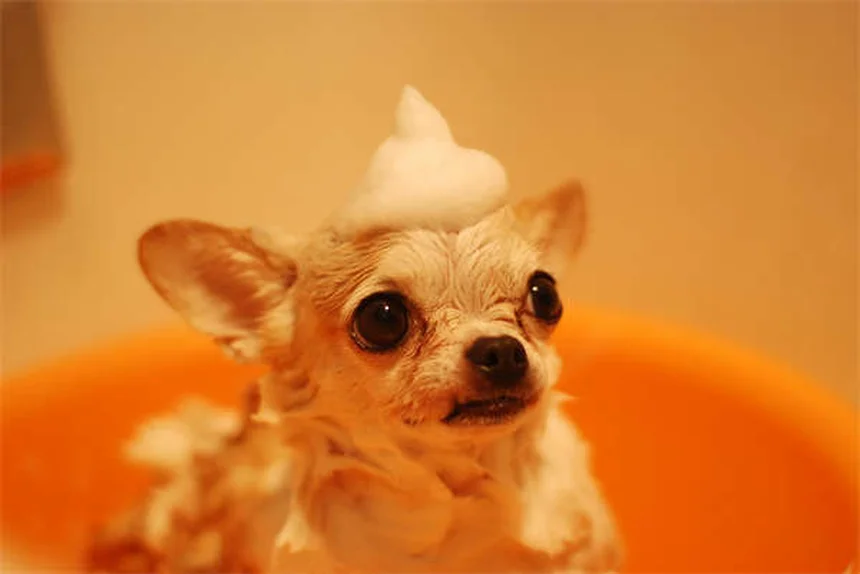
Chihuahuas live forever - seriously, some hit 20 years! My aunt's Chi mix is 18 and still rules the house. Keep them lean though - extra weight strains those tiny frames.
Beagles are walking stomachs with legs. Adorable? Absolutely. But their love of food means strict portion control - I've seen Beagles open cabinets (true story).
Speed Demons
Greyhounds are the ultimate paradox - 45 mph runners who also love being couch potatoes. Perfect if you want exercise buddy who also matches your Netflix marathons.
Whippets are like mini-Greyhounds with softer coats. Great for apartments, but bundle them up in winter - no body fat means they get cold fast!
Brainiacs
Poodles come in three sizes but all share incredible intelligence. My Standard Poodle learned "go get my slippers" in two days (now if only my husband would...).
Border Collies need jobs or they'll invent their own (usually involving rearranging your furniture). Most energetic breed I've worked with - ideal for runners or agility fans!
 Photos provided by pixabay
Prevention is Cheaper Than Treatment
Basenjis don't bark - they yodel! My neighbor's sounds like a squeaky toy. Super clean (they groom like cats) but stubborn as mules.
Shiba Inus are the "cat dogs" of the canine world. That famous Shiba scream? Heard it when mine saw a vacuum - you'd think it was a monster!
Gentle Giants
Old English Sheepdogs are walking teddy bears. My childhood Sheepdog let us dress him in doll clothes - zero complaints. Just budget for grooming!
Anatolian Shepherds take guarding seriously. Friend's Anatolian protects chickens like they're Fort Knox - no fox stands a chance!
Special Care Stars
Hypoallergenic Heroes
Havanese are perfect for allergy sufferers. My sister's Havanese doesn't shed and learned "spin" in five minutes - showoff!
Bichon Frises are clouds of joy. Just watch their sugar intake - diabetes risk means no sharing your ice cream (no matter how they beg).
Working Warriors
Belgian Malinois are basically furry Navy SEALs. Police K9 trainer told me they'll work until they drop - must channel that energy properly!
German Shorthaired Pointers never stop moving. My uncle's GSP points at everything - squirrels, mailmen, even butterflies. Excellent for hunters!
American Classics
American Foxhounds have voices like opera singers. Neighbor's pack howls at ambulances - canine backup singers! Surprisingly healthy despite loudness.
Siberian Huskies are escape artists with opinions. My friend's Husky dug under, climbed over, and chewed through fences - all in one week!
Final Thoughts
Matching Lifestyle to Breed
Ever wonder why some dogs seem healthier than others? It's all about matching energy levels. High-energy breeds in apartments often develop issues - like that Jack Russell I knew who redecorated with couch fluff from boredom!
Here's a quick activity comparison:
| Activity Level | Breeds | Daily Exercise Needs |
|---|---|---|
| Low | Basset Hound, Bulldog | 20-30 min |
| Medium | Beagle, Spaniels | 45-60 min |
| High | Border Collie, Malinois | 90+ min |
Longevity Secrets
Want your dog to live longer? Dental care is crucial - bad teeth can shorten lifespan by 2-3 years! I brush my dogs' teeth while watching TV - they think it's weird but their vet is impressed.
Remember, even healthiest breeds need proper care, love, and attention. That Australian Cattle Dog might be tough, but he still wants belly rubs like any other pup!
Beyond the Basics: Unexpected Health Boosters
Mental Gymnastics for Dogs
You know how you feel after solving a tough crossword puzzle? Dogs get that same satisfaction from brain games! Puzzle feeders turn mealtime into a mental workout - my Golden Retriever spends 20 minutes figuring out how to get kibble from his "game board."
Ever tried teaching your dog silly tricks? Shake, roll over, play dead - these aren't just party tricks. Learning new commands creates neural pathways that keep canine brains young. My sister's 12-year-old Puggle learned to "high five" last month - proof you can teach old dogs new tricks!
The Power of Socialization
Think dog parks are just for burning energy? Think again! Regular playdates do wonders for emotional health. I've watched shy shelter dogs transform after just a few weeks of positive interactions.
Here's something most owners don't consider: variety in walking routes. Taking different paths exposes dogs to new smells and sights, which is like reading different books for us. My mutt gets visibly excited when we turn down unfamiliar streets!
Hidden Health Hazards You Might Miss
Seasonal Surprises
Would you believe some dogs get seasonal allergies just like people? My neighbor's Lab starts sneezing every spring - turns out he's allergic to oak pollen! Watch for paw licking and ear infections that flare up at certain times of year.
Summer brings its own dangers beyond heat. Those innocent-looking puddles after rain? Could contain deadly antifreeze leaks or bacteria. I carry a collapsible water bowl everywhere now - better safe than sorry!
Household Dangers
Your cozy home hides more risks than you'd think. Did you know essential oil diffusers can poison cats and dogs? My cousin's Yorkie got sick from tea tree oil - now she uses pet-safe alternatives.
Check this surprising household hazard comparison:
| Common Item | Risk Level | Safer Alternative |
|---|---|---|
| Lilies (flowers) | Extremely toxic to cats | Orchids or roses |
| Xylitol (gum) | Liver failure in dogs | Pet-safe toothpaste |
| Grapes/raisins | Kidney damage | Blueberries or apple slices |
Senior Dog Care: Special Considerations
Adapting Your Home
When my Boxer turned 10, I realized our hardwood floors were like ice rinks to her aging joints. Non-slip rugs became our best friends - plus they add style points! Ramps for cars and furniture help too.
Here's a game-changer: raised food bowls. They reduce neck strain for older dogs. My buddy's arthritic Shepherd started eating more when we elevated his dishes - simple fix, huge difference!
Cognitive Changes
Ever notice your senior dog staring at walls? Could be canine cognitive dysfunction (doggy dementia). Special diets with antioxidants help - my vet recommended one that slowed my dog's confusion noticeably.
Night lights aren't just for kids! Older dogs often develop vision issues. I put plug-in lights along my dog's nighttime path to the water bowl - no more midnight collisions with furniture!
Emergency Preparedness
Building a Pet First-Aid Kit
You've got bandaids for yourself, but what about Fido? Every pet home needs gauze, hydrogen peroxide (for inducing vomiting), and a pet thermometer. Pro tip: include a recent photo in case they get lost during chaos.
Most folks forget about digital backups of vet records. After a tornado scare, I scanned all my dogs' paperwork to cloud storage. Now I can access vaccine history from any phone!
Disaster Planning
Would your dog survive if you got stuck away from home? I created emergency info cards for neighbors with my dogs' feeding schedules and meds. Our community even organized a pet alert system after last year's wildfires.
Practice evacuations sound silly until you need them. My dogs now associate the phrase "car ride adventure" with hopping calmly into their carriers - no panic when it's real!
Alternative Therapies Worth Considering
Canine Massage
You get massages - why shouldn't Spot? Certified canine massage therapists can work miracles on sore muscles. My agility dog's performance improved dramatically after regular sessions.
Even simple at-home ear rubs help! Gentle circular motions at the base release calming endorphins. My anxious rescue dog melts into a puddle every time I do this.
Hydrotherapy
Underwater treadmills aren't just for Olympians! Post-surgery dogs regain mobility faster in water. The vet rehab center near me has dogs doing aquatic therapy - complete with little life vests!
Don't have a fancy facility? Kiddie pools work wonders for arthritis relief. My senior Lab splashes around daily in summer - his version of a spa day!
The Human-Health Connection
How Pets Boost Our Wellness
Ever notice you walk more with a dog? Studies show pet owners have lower blood pressure. My smartwatch proves it - my resting heart rate drops when I'm petting my dogs!
Here's something wild: dog owners tend to survive heart attacks at higher rates. My cardiologist actually asked about my pets during my last checkup - they're that important to human health!
The Rescue Effect
Who really rescues who? Shelter volunteers report that adopted dogs often "choose" their humans in mystical ways. My second dog literally jumped into my lap during meet-and-greet - seven years later, she's still my shadow.
Foster programs help humans too. After my divorce, fostering puppies gave me purpose and laughter during dark times. The shelter director called it "mutual healing" - she wasn't wrong!
E.g. :19 Healthiest Dog Breeds With the Least Health Issues | PetMD
FAQs
Q: What makes certain dog breeds healthier than others?
A: Healthier dog breeds typically have strong genetic backgrounds with fewer hereditary diseases. For example, Australian Cattle Dogs were bred to be tough working dogs, which means they developed natural resilience. As a vet tech, I've noticed breeds like Poodles and Beagles tend to have fewer chronic health issues when properly cared for. The key factors are:
1) Long lifespan genetics (Chihuahuas often live 15-20 years)
2) Few breed-specific health concerns
3) Moderate size (extremely large or tiny dogs often have more health challenges)
4) Good adaptability to different environments
Q: How can I help my dog live longer regardless of breed?
A: Here's the truth - your care matters more than genetics when it comes to extending your dog's life. My neighbor's mutt lived to 21 thanks to these simple habits:
• Daily exercise (even 30 minutes prevents obesity)
• High-quality food with proper portions (no table scraps!)
• Regular dental care (bad teeth can shorten life by 2-3 years)
• Annual vet checkups to catch issues early
• Mental stimulation through training and toys
I always tell clients: "You wouldn't eat junk food and never move - don't let your dog either!"
Q: Are small dogs always healthier than large breeds?
A: Not always, but generally yes. Smaller breeds like Chihuahuas and Havanese tend to live longer than giant breeds. Here's why:
1) Less strain on joints and organs
2) Faster metabolism (helps maintain healthy weight)
3) Fewer growth-related issues
However, I've seen plenty of unhealthy small dogs when owners think "tiny equals low maintenance." That Beagle begging at your table? He'll balloon up faster than you can say "vet bill!" The healthiest small breeds still need proper care - my sister's Yorkie gets daily walks and eats measured meals.
Q: What's the best healthy dog breed for first-time owners?
A: For beginners, I recommend Bichon Frises or Cavalier King Charles Spaniels. Here's what makes them ideal:
• Generally easygoing temperaments
• Few serious genetic health issues
• Adapt well to apartment living
• Don't require extreme exercise
• Eager to please (makes training easier)
My first dog was a Bichon, and he taught me everything about responsible pet ownership. Just remember - even "easy" breeds need commitment. That wagging tail depends on you!
Q: Do mixed breed dogs live longer than purebreds?
A: This is a common myth! While mixed breeds can benefit from hybrid vigor, it's not guaranteed. As a shelter volunteer, I've seen mixed breeds with health issues and purebreds thriving into their late teens. The real factors are:
1) The specific breeds in the mix
2) Quality of care received
3) Early life health (proper nutrition as puppies)
4) Responsible breeding practices
My advice? Focus less on pedigree and more on finding a dog whose energy level and needs match your lifestyle. A happy dog is a healthy dog!