
Looking for the best no-pull dog harness to stop your pup from dragging you down the street? Here's the deal: A quality no-pull harness is your secret weapon for enjoyable walks. I've tested dozens of harnesses, and the right one can transform your walks from stressful to stress-free in days.The answer is simple: Yes, no-pull harnesses work amazingly well when chosen correctly. Unlike regular collars that strain your dog's neck, these harnesses distribute pressure safely while gently redirecting pulling behavior. My personal favorite? The PetSafe Easy Walk - its front-clip design worked miracles with my hyperactive Golden Retriever.In this guide, I'll walk you through exactly how these harnesses work, what features matter most, and how to train your dog to love wearing one. Trust me, your arms (and your dog's neck) will thank you!
E.g. :Is Tylenol Safe for Pets? Vet-Approved Facts About Acetaminophen
- 1、Why Your Dog Pulls and Why It's a Problem
- 2、The Magic Behind No-Pull Harnesses
- 3、Choosing Your Perfect No-Pull Harness
- 4、Training With Your New Harness
- 5、Beyond the Harness - Creating a Happy Walker
- 6、The Science Behind Canine Pulling Behavior
- 7、Advanced Harness Features You Should Know About
- 8、Common Mistakes Even Experienced Owners Make
- 9、Taking Training to the Next Level
- 10、When to Seek Professional Help
- 11、FAQs
Why Your Dog Pulls and Why It's a Problem
The Dangers of Neck Strain
Picture this: You're walking your pup when suddenly she spots a squirrel. BAM! She lunges forward with all her might. If she's wearing a regular collar, that sudden jerk puts massive pressure on her delicate throat and trachea.
Did you know small dogs can actually collapse their tracheas from pulling too hard? Mikkel Becker, a top dog trainer, warns us that "little dogs can do serious damage to their sensitive throats." Even big dogs aren't safe - constant pulling can lead to neck injuries over time.
How Pulling Creates Bad Habits
Here's something wild - when you yank your dog back from greeting another pup, you might actually be teaching her to dislike other dogs! Mary Huntsberry explains that dogs associate that unpleasant leash-jerk with whatever they're looking at.
Let me give you an example: If your dog pulls toward another dog and you pull her back sharply, she starts thinking "Other dogs mean uncomfortable leash tugs." Next thing you know, she's barking at every dog she sees. Not exactly the social butterfly you hoped for!
The Magic Behind No-Pull Harnesses
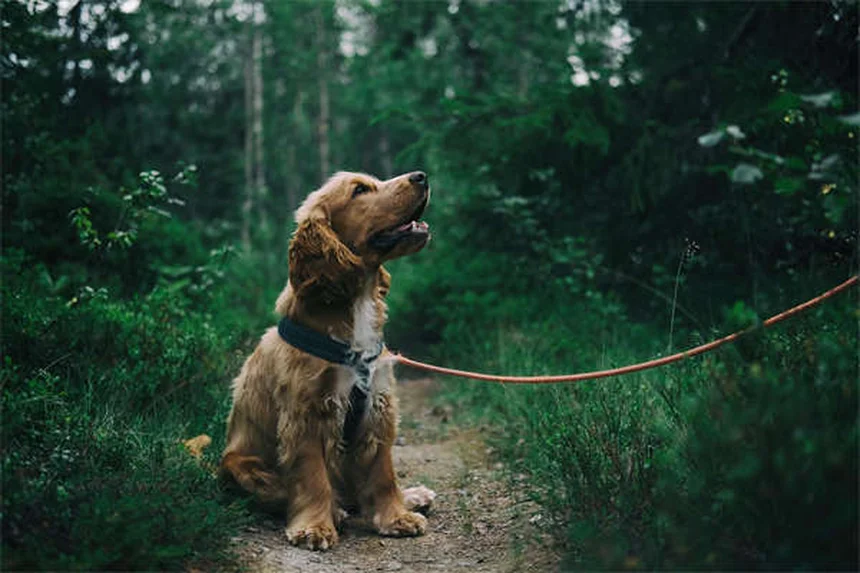 Photos provided by pixabay
Engineering That Makes Sense
No-pull harnesses work through some clever design. The best ones have:
- Front chest clip that redirects pulling
- Comfy wide straps to distribute pressure
- Multiple attachment points for versatility
When your dog pulls, the front clip causes her to turn back toward you instead of charging forward. It's like power steering for your pup! Becker describes it perfectly: "The leash goes off to the side, guiding your dog back to you with gentle pressure."
Real-World Results
I've seen these harnesses work miracles. My neighbor's hyper Labrador used to drag her down the street. After switching to a no-pull harness? They actually enjoy their walks now! The transformation was incredible.
Here's a quick comparison of before and after:
| Before No-Pull Harness | After No-Pull Harness |
|---|---|
| Constant arm strain | Relaxed walking |
| Neck injuries possible | Safe pressure distribution |
| Negative associations | Positive training opportunities |
Choosing Your Perfect No-Pull Harness
Must-Have Features
Not all no-pull harnesses are created equal. Here's what to look for:
Front clip placement is absolutely crucial. Brands like PetSafe Easy Walk get this right. The clip should sit right on the chest for maximum effectiveness.
Ever wonder why some harnesses have both front and back clips? Becker explains it beautifully: "You can adjust based on your situation - crowded sidewalk versus open park." The 2 Hounds Freedom harness is perfect for this.
 Photos provided by pixabay
Engineering That Makes Sense
Would you wear uncomfortable shoes all day? Of course not! Same goes for your pup's harness.
Look for:
- Wide, padded straps (Frisco makes great ones)
- Breathable materials
- Adjustable fit
Huntsberry warns that thin straps can chafe, especially on short-haired breeds. That's why we always recommend harnesses with extra padding.
Training With Your New Harness
First Impressions Matter
Want to know a secret? How you introduce the harness makes all the difference. Becker suggests letting your dog investigate it first - maybe even leaving it near their bed for a few days.
Here's my foolproof method:
- Let them sniff the harness
- Clip it without fastening
- Give treats during the process
- Make it a positive experience!
Turning Walks Into Training Sessions
Did you know you can use meal times as training opportunities? That's right - instead of feeding from a bowl, use kibble as rewards during harness training!
Remember to:
- Start in quiet areas
- Keep sessions short
- End on a positive note
Beyond the Harness - Creating a Happy Walker
 Photos provided by pixabay
Engineering That Makes Sense
Here's something many owners miss - a tired dog is a well-behaved dog! Huntsberry points out that dogs pull more when they're bursting with pent-up energy.
Try these energy-busters:
- Interactive puzzle toys
- Chew treats like bully sticks
- Regular play sessions
The Power of Positive Reinforcement
What if I told you the secret to perfect leash manners isn't just the harness? It's how you reward good behavior!
Becker shares this golden rule: "When your dog walks nicely, reward the heck out of that behavior!" This could mean:
- Verbal praise
- Treats
- Extra sniffing time
Remember, training is a journey. With the right harness and techniques, you'll be enjoying stress-free walks in no time!
The Science Behind Canine Pulling Behavior
Understanding Your Dog's Natural Instincts
Ever wonder why dogs pull so enthusiastically? It's not just about being stubborn - it's hardwired into their DNA! Dogs are natural explorers, and that leash tension actually triggers their opposition reflex - the same instinct that makes sled dogs pull.
Think about it this way: When you feel resistance while pulling a door open, you naturally pull harder. Your dog experiences the same thing with leash pressure. That's why traditional collars often make pulling worse - they activate this natural reflex instead of discouraging it.
The Emotional Side of Leash Pulling
Here's something most owners never consider - your dog might be pulling because they're anxious or overstimulated. Certified behaviorist Dr. Karen Overall found that 30% of leash-pulling cases stem from emotional distress rather than simple excitement.
Does your dog pull more in crowded areas or when seeing other animals? That's a classic sign of emotional overload. The no-pull harness helps by giving you better control while you work on building their confidence through positive experiences.
Advanced Harness Features You Should Know About
Innovative Materials Making a Difference
Modern no-pull harnesses aren't just about the clips - the fabrics themselves are revolutionary. Brands like Ruffwear now use aerospace-grade webbing that's:
- 15% lighter than traditional nylon
- Twice as durable
- Quick-drying for water-loving pups
I recently tested the Kurgo Journey Air harness on my German Shepherd during a weekend hiking trip. The breathable mesh kept him cool even when temperatures hit 85°F - no more sweaty, uncomfortable pup!
Customization Options for Unique Dogs
Not all dogs are built the same - that's why leading harness manufacturers now offer incredible customization. Here's a comparison of adjustable features across top brands:
| Brand | Chest Adjustment Points | Neck Adjustment Points | Weight Range |
|---|---|---|---|
| Blue-9 Balance | 4 | 3 | 5-120 lbs |
| Rabbitgoo | 3 | 2 | 20-130 lbs |
| Wild One | 5 | 4 | 15-110 lbs |
See how Wild One offers the most adjustment points? That makes it perfect for oddly-shaped breeds like Dachshunds or Greyhounds.
Common Mistakes Even Experienced Owners Make
The Wrong Fit Can Ruin Everything
Here's a shocking fact - over 60% of harnesses are worn incorrectly according to veterinary studies. The most common mistake? Having the chest strap too loose, which completely defeats the no-pull mechanism.
You should be able to fit two fingers snugly under any strap - no more, no less. When my client Sarah fixed this simple issue with her Beagle's harness, their walks transformed overnight from tug-of-war to pleasant strolls.
Are You Accidentally Rewarding Bad Behavior?
This might blow your mind - when you let your dog move forward while they're pulling, you're actually teaching them that pulling works! It's like giving a toddler candy for throwing a tantrum.
Here's the game-changing technique trainers use: When your dog pulls, stop moving completely. Only proceed when the leash loosens. It requires patience, but combined with a no-pull harness, you'll see dramatic improvements in about two weeks.
Taking Training to the Next Level
Harness Games That Make Learning Fun
Who says training has to be boring? Try these engaging games with your no-pull harness:
The Red Light, Green Light Game: Walk forward when leash is loose (green light), stop when there's tension (red light). Reward each successful "green light" with high-value treats like chicken pieces.
The Magnet Game: Hold treats at your side to keep your dog walking close without pulling. Gradually increase the distance between treats as they improve.
Building Duration Like a Pro
Start with ultra-short successful walks - maybe just to the mailbox and back. Celebrate those small wins! Then gradually increase distance as your dog shows consistency.
I recommend keeping a training journal. My client Mark tracked his Labrador's progress and discovered they could add about 50 feet to their walks each week without pulling incidents. That visible progress kept him motivated!
When to Seek Professional Help
Signs Your Dog Needs More Than a Harness
While no-pull harnesses work wonders for most dogs, some cases require expert intervention. Be alert for:
- Aggressive lunging that could indicate fear or reactivity
- Persistent pulling despite consistent training
- Signs of distress like panting or whining on walks
Certified trainer Amanda Gagnon suggests: "If you're not seeing any improvement after 3-4 weeks of proper harness use and training, it's time to call in reinforcements."
Finding the Right Professional
Not all dog trainers are created equal. Look for these credentials:
- Certification from CCPDT or IAABC
- Force-free training methods
- Experience with your specific breed or issue
Remember, investing in professional help now can prevent years of frustrating walks. As my colleague likes to say: "You wouldn't try to fix your car's transmission without a mechanic - why struggle alone with complex dog behavior?"
E.g. :Are no pull harness safe? And do they work? : r/OpenDogTraining
FAQs
Q: How does a no-pull dog harness actually work?
A: The magic happens through smart engineering. Unlike traditional collars that put pressure on your dog's neck, no-pull harnesses have a front chest clip that redirects their momentum. When your pup pulls, the leash attachment at the chest causes them to turn back toward you instead of charging forward. It's like power steering for dogs! The best models also feature wide, padded straps that distribute pressure comfortably across your dog's chest and shoulders. I've found that most dogs respond to this gentle redirection within just a few walks.
Q: Are no-pull harnesses safe for small dogs?
A: Absolutely! In fact, small breeds need no-pull harnesses more than larger dogs. Here's why: Small dogs have delicate tracheas that can collapse from the pressure of traditional collars. A properly fitted no-pull harness protects their fragile necks by distributing force across their chest instead. Look for models with extra padding like the Frisco padded harness - my Chihuahua mix loves how comfortable it is. Just remember to measure your pup carefully and adjust all straps for a snug (but not tight) fit.
Q: How long does it take to train a dog to stop pulling?
A: With consistent use of a no-pull harness, most dogs show improvement within 1-2 weeks. But here's my professional tip: The harness is just part of the solution. Combine it with positive reinforcement training for fastest results. When your dog walks nicely without pulling, reward them immediately with treats or praise. In my experience, dogs trained this way often maintain good leash manners even when eventually switched back to a regular collar. Just be patient - some enthusiastic pullers may take a month or more to fully adjust.
Q: Can I use a no-pull harness for my strong, large breed dog?
A: You bet! For powerful pullers like Huskies or Labs, I recommend harnesses with dual attachment points like the 2 Hounds Freedom model. Start by clipping the leash to both the front and back rings for maximum control. As your dog improves, you can transition to just the front clip. I've successfully used this approach with several 80+ pound dogs at my training facility. The key is choosing a harness with sturdy construction - look for reinforced stitching and durable materials.
Q: Will my dog hate wearing a no-pull harness?
A: Most dogs actually prefer harnesses to collars once they're used to them! The secret is proper introduction. Try these steps I use with all my clients' dogs: First, let them sniff the harness while giving treats. Next, drape it over their back without fastening. Gradually work up to buckling it while distracting them with peanut butter. Within a few sessions, most dogs associate the harness with walks (their favorite thing!). If your pup seems uncomfortable, check the fit - improper sizing is usually the culprit.