
How do you care for newborn puppies? The answer is simple but crucial: handle with extreme care during those first critical weeks. As someone who's raised multiple litters, I can tell you those tiny furballs are more fragile than they look. Newborn puppies need special attention to temperature, feeding schedules, and gradual socialization - all while respecting mom's boundaries.Here's what you need to know right away: don't overhandle them in the first two weeks. Their immune systems are still developing, and too much human contact can actually be harmful. I've seen well-meaning owners accidentally stress out both mom and pups by wanting to cuddle too soon. Instead, focus on creating a warm, safe environment and let nature do its thing at first.
E.g. :Puppy Poop Frequency: How Often Should Your Puppy Poop?
- 1、Handling Those Adorable Newborn Pups
- 2、Puppy Socialization 101
- 3、Feeding Those Growing Machines
- 4、Vet Visits & Health Checks
- 5、When Can Puppies Leave Mom?
- 6、The Emotional Side of Puppy Raising
- 7、Puppy Development Milestones
- 8、Common New Puppy Problems
- 9、Fun Puppy Facts You'll Love
- 10、Preparing for Puppy Adoptions
- 11、FAQs
Handling Those Adorable Newborn Pups
First Things First - Give Them Space
I know, I know - those tiny paws and button noses are irresistible! But here's the deal: those first two weeks are super delicate. Momma dog needs her space to bond with her babies, and those puppies are like little germ magnets.
Ever seen a momma dog give you the side-eye when you get too close? That's her saying "Back off, human!" Some protective moms might even growl - and honestly, can you blame them?
Creating The Perfect Puppy Pad
Imagine being born without a sweater - that's basically puppy life for the first month. Their tiny bodies can't regulate temperature, so we've got to help them out.
Here's what works best:
- Heating lamp (but leave cool spots too!)
- Soft blankets they can burrow into
- A cozy corner away from drafts
Fun fact: Puppies at this age have a body temp of 96-98°F - that's way cooler than ours! If they get too cold, their little tummies can't even digest milk properly.
Puppy Socialization 101
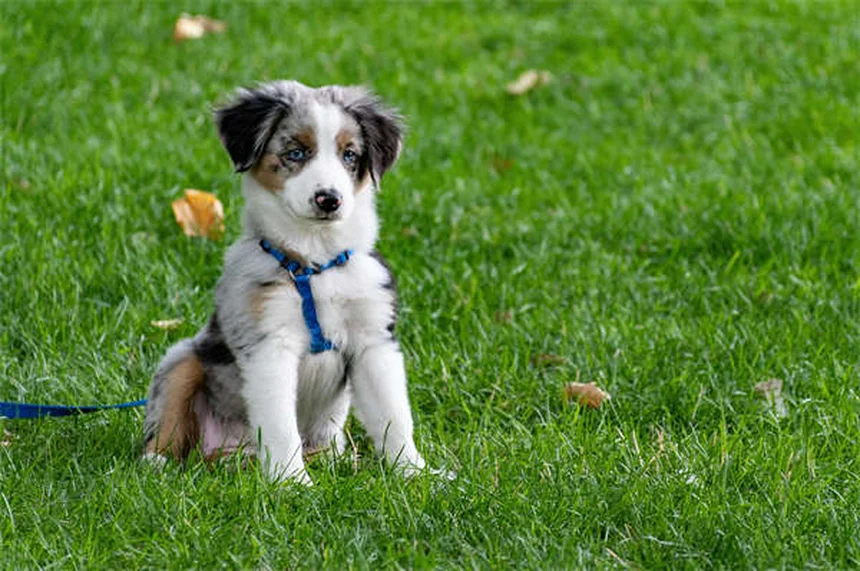 Photos provided by pixabay
Making Friends (The Right Way)
Did you know that puppies who get gentle human contact early tend to grow up more confident? But here's the catch - we've got to let mom call the shots.
Start with short, positive interactions:
- Let mom sniff you first
- Pet puppies gently while they're nursing
- Keep sessions under 5 minutes at first
Spotting The Underdogs
Not all puppies grow at the same rate. The "runt" of the litter might need extra TLC. Here's what to watch for:
| Sign | Healthy Pup | Concern |
|---|---|---|
| Weight Gain | Steady increase | No gain/loss |
| Energy Level | Active between naps | Always sleepy |
| Nursing | Strong suckling | Weak or none |
Pro tip: Weigh them twice daily at first - a kitchen scale works great!
Feeding Those Growing Machines
The Milk Bar Schedule
Newborn pups are basically eating machines with legs. Every 2 hours - yes, even at 3 AM - they'll be rooting for mom's milk bar.
After the first couple weeks, you might get some sleep - they can stretch to 3-4 hour intervals. But here's the golden rule: if they're not gaining weight, the buffet needs to stay open 24/7.
 Photos provided by pixabay
Making Friends (The Right Way)
Around week 3-4, it's time to introduce puppy gruel (sounds gross, but they love it!). Mix high-quality puppy food with warm water until it's like oatmeal.
Ever seen a puppy discover solid food? It's hilarious - they'll walk through it, wear it, and maybe accidentally eat some too. Messy? Absolutely. Adorable? You bet!
Vet Visits & Health Checks
The First Checkup
Here's something many new puppy parents don't realize - you should call your vet right after birth. They might want to see the litter immediately or wait a bit.
Common early checks include:
- Cleft palates
- Umbilical hernias
- Congenital defects
Vaccine Timeline
Did you know puppies get their first shots around 6 weeks? Here's the typical schedule:
2 weeks: First deworming
4 weeks: Second deworming
6 weeks: Distemper/parvo vaccine
...and so on!
Remember - your vet knows best. They might adjust this based on your pups' specific needs.
When Can Puppies Leave Mom?
 Photos provided by pixabay
Making Friends (The Right Way)
Here's a question that sparks arguments: "Is 8 weeks really enough?" The truth? While legally okay in many places, those extra two weeks make a world of difference.
Puppies learn crucial social skills between 8-10 weeks:
- Bite inhibition (no one likes a land shark!)
- Canine communication
- Confidence building
Saying Goodbye
When the time comes, make transitions gradual. Send home with a blanket that smells like mom, and maybe schedule puppy playdates with siblings if possible.
Pro tip: Take lots of pictures! These fuzzy potatoes grow up way too fast.
The Emotional Side of Puppy Raising
Bonding With Momma Dog
You know what's fascinating? Momma dogs actually experience something similar to human postpartum emotions. Some get super protective, while others might seem a bit overwhelmed at first.
I've seen cases where first-time dog moms need extra reassurance - gentle praise, favorite treats, and quiet time away from the puppies (yes, even moms need breaks!). Ever notice how some momma dogs will "ask" you to watch the pups while they take a quick bathroom break? That's trust right there!
The Puppy Blues Is Real
Here's something nobody talks about enough - raising newborn puppies can be emotionally exhausting. The constant feedings, the worry about their health, the sleep deprivation... sound familiar, human parents?
But here's the good news: it gets better! Around week 3, you'll start seeing their little personalities emerge. One might be the adventurous explorer, another the cuddle bug. That's when the real fun begins!
Puppy Development Milestones
Eyes and Ears: The Big Reveal
Did you know puppies are born blind and deaf? Their ear canals don't even open until about 2 weeks old. That first moment when they react to sound is magical - usually a sudden head tilt that'll melt your heart.
Their eyes open around 10-14 days, but vision's blurry at first. They'll squint like little old men trying to read a menu without glasses. By 4 weeks, they're seeing the world clearly - just in time to start getting into trouble!
First Steps and Play Fights
Wobbly walks begin around 3 weeks - it's like watching drunken sailors! They'll stumble, roll, and faceplant constantly. But here's the cool part: those clumsy movements are building crucial muscle coordination.
By week 4, the play fighting starts. Those tiny nips and paw swats? That's how they learn bite control and social skills. Ever seen a puppy get too rough and immediately get corrected by mom? Nature's perfect teaching moment!
Common New Puppy Problems
The Dreaded Fading Puppy Syndrome
This is the tough part nobody wants to talk about. Sometimes, despite our best efforts, a puppy just doesn't thrive. Early signs include weak suckling, low body temperature, and being pushed away by mom.
But here's some hope - modern veterinary care can sometimes save these pups. Special formulas, incubators, and round-the-clock care can work miracles. I've seen runts blossom into the biggest dogs in the litter with proper intervention!
Dealing With Parasites
Guess what's gross but super common? Puppies can be born with worms passed from mom. Nearly all puppies need deworming, usually starting at 2 weeks old.
| Parasite Type | Signs | Treatment |
|---|---|---|
| Roundworms | Potbelly, dull coat | Pyrantel pamoate |
| Hookworms | Pale gums, diarrhea | Fenbendazole |
| Coccidia | Watery stool, dehydration | Sulfa drugs |
Pro tip: Those rice-like segments near puppy butts? Tapeworms. But don't panic - they're easily treated!
Fun Puppy Facts You'll Love
Super Sleepers
Newborn puppies sleep about 90% of the day - that's more than teenagers! But here's the wild part: they spend half that sleep time in REM, which is crucial for brain development.
Ever notice how they twitch and "run" in their sleep? Scientists believe they're practicing movements they'll use later. It's like they're dreaming of future mischief!
Tiny But Mighty
Pound for pound, puppies have stronger immune systems than adult dogs. Isn't that amazing? Their bodies produce antibodies at an incredible rate.
Here's a mind-blowing fact: a healthy puppy's heart rate can be 120-160 beats per minute. That's like they're permanently excited to see you! No wonder they crash so hard after short play sessions.
Preparing for Puppy Adoptions
Screening Potential Families
Here's a question you should ask: "What's your plan for when the puppy grows up?" Too many people fall for puppy cuteness without considering the 10-15 year commitment.
I always recommend home visits if possible. You'd be surprised how many people think a studio apartment is fine for a future Great Dane! Good adopters will ask you tons of questions too - that's actually a great sign.
The Puppy Package
When sending puppies to new homes, include these essentials:
- Vaccination records
- Sample of their current food
- Favorite toy or blanket with mom's scent
- Care instructions (typed, not handwritten!)
One last pro tip: Take puppy pictures weekly. New owners will treasure those baby photos forever, and you'll want to remember these chaotic, wonderful days too!
E.g. :New Puppy Care: 0-7 Weeks | PetMD
FAQs
Q: How soon can you handle newborn puppies?
A: You'll want to wait at least 1-2 weeks before handling puppies extensively. I know it's tempting - those little paws are irresistible! But here's why we wait: newborn pups have practically no immune system yet. Every time we touch them, we're potentially exposing them to germs. The mother dog's milk provides crucial antibodies during this period. Start with brief, gentle contact when mom seems comfortable, usually around week 2-3. Always wash your hands thoroughly first, and keep sessions under 5 minutes initially.
Q: What temperature should newborn puppies be kept at?
A: 96-98°F is the magic number for newborn puppy body temperature. Here's what I've found works best: use a heating lamp positioned over one section of their whelping box, creating a temperature gradient. The area directly under the lamp should be about 85°F for the first week, then you can gradually decrease it to 80°F by week 3. Always leave cooler areas (about 75°F) so pups can move away if they get too warm. Pro tip: watch their behavior - if they're all piled together, they're probably cold; if they're spread out, the temperature is just right.
Q: How often should newborn puppies eat?
A: Newborn puppies need to nurse every 2 hours around the clock for the first two weeks. Yes, that means nighttime feedings too! Here's how I manage it: set alarms for every 2 hours initially, then gradually stretch to 3-4 hours by week 3 if they're gaining weight well. Each nursing session should last about 10-30 minutes. Watch for strong, rhythmic suckling - weak or infrequent nursing is a red flag. By week 4, you can start introducing puppy gruel (softened kibble mixed with warm water) while still allowing access to mom's milk.
Q: When should newborn puppies see a vet?
A: Call your vet immediately after birth for personalized advice. In my experience, most vets will want to see the litter within 24-48 hours for an initial check. They'll examine for cleft palates, umbilical hernias, and other congenital issues. The first deworming typically happens at 2 weeks, followed by vaccines starting at 6 weeks. But here's something many owners don't realize: you should weigh the puppies daily (a kitchen scale works great) and call the vet if any pup isn't gaining at least 5-10% of their body weight daily.
Q: When can puppies leave their mother?
A: While 8 weeks is the legal minimum in most states, I strongly recommend waiting until 10-12 weeks if possible. Here's why: those extra weeks with mom and siblings teach crucial social skills. Puppies learn bite inhibition (how to play without hurting), canine communication, and confidence. I've seen puppies separated too early develop behavior issues that last a lifetime. If you must separate at 8 weeks, make sure the new home continues socialization with other dogs. Pro tip: send a blanket that smells like mom to ease the transition.