
Why is my dog scared of thunderstorms? The answer is simple: dogs experience storms differently than we do - their heightened senses make thunderstorms overwhelming and terrifying. As a dog owner who's dealt with this issue firsthand, I can tell you that thunderstorm phobia affects about 15-30% of dogs, with herding breeds being particularly susceptible.The good news? While we can't completely cure this fear (it's hardwired into their DNA), there are plenty of effective ways to manage it. From creating safe spaces to using anxiety wraps and behavior modification techniques, we've got you covered with practical solutions that actually work. I've seen dramatic improvements in anxious dogs using these methods - one of my clients' Labradors went from destroying doors during storms to calmly chewing a Kong toy!
E.g. :5 Best Dog Car Seat Covers for Safe & Clean Travel (2024 Guide)
- 1、Why Do Dogs Freak Out During Thunderstorms?
- 2、Spotting the Signs: Is Your Dog Storm-Stressed?
- 3、Creating a Storm Safe Haven
- 4、Medical Solutions Worth Considering
- 5、Training Techniques That Actually Work
- 6、Preparing for Storm Season
- 7、Beyond the Basics: Understanding Canine Storm Anxiety
- 8、Creating the Ultimate Safe Space
- 9、Alternative Therapies Worth Trying
- 10、When Prevention Isn't Enough
- 11、Building Resilience Over Time
- 12、FAQs
Why Do Dogs Freak Out During Thunderstorms?
The Mystery Behind Canine Storm Anxiety
Ever noticed how your herding breed dog turns into a trembling mess when thunder rolls in? You're not alone. While we don't know exactly why dogs develop this fear, we've identified several key factors that contribute to thunderstorm phobia:
• Puppyhood experiences (or lack thereof) with storms
• Owners accidentally rewarding fearful behavior
• Genetics - some breeds are just wired to be more sensitive
Fun fact: Did you know dogs can detect storms before we do? They're reacting to more than just thunder - they sense barometric pressure changes, static electricity, and even the smell of rain coming!
What Exactly Scares Them?
Imagine experiencing a storm with supercharged senses. Your dog isn't just hearing thunder - their whole world becomes an overwhelming sensory experience:
| Sensory Input | How Dogs Experience It |
|---|---|
| Thunder | 4x louder than human perception |
| Lightning | Brighter flashes with better night vision |
| Static Electricity | Can feel it in their fur (ouch!) |
Spotting the Signs: Is Your Dog Storm-Stressed?
 Photos provided by pixabay
Obvious vs. Subtle Symptoms
While some dogs dramatically pant and pace, others show more subtle signs. Here's what to watch for:
Classic signs:
• Trembling like a leaf
• Following you like a shadow
• Destructive chewing (hello, ruined couch!)
Less obvious signs:
• Suddenly forgetting house training
• Obsessive licking (creating hot spots)
• Refusing treats (and we know how serious that is!)
When It's More Than Just Fear
Did you know your dog's storm anxiety could actually make them sick? Chronic stress can lead to:
• Weakened immune system
• Digestive issues (stress diarrhea is no joke)
• Heart problems from constant adrenaline spikes
This isn't just about comfort - it's about your pup's long-term health. That's why proper management is crucial.
Creating a Storm Safe Haven
DIY Comfort Zone
Want to transform that crate from prison to paradise? Try these pro tips:
1. Make it cozy with your worn t-shirt (your scent = security blanket)
2. Add white noise or calming music (there are playlists just for anxious dogs!)
3. Use blackout curtains to minimize lightning flashes
Remember when we thought comforting scared dogs reinforced their fear? Turns out that's total nonsense - go ahead and give those cuddles!
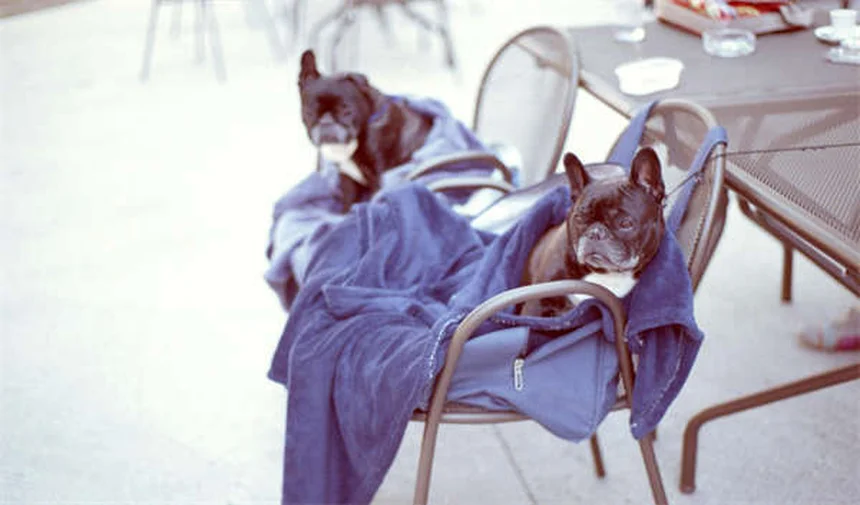 Photos provided by pixabay
Obvious vs. Subtle Symptoms
Modern solutions for ancient instincts:
• ThunderShirts: Like a permanent hug (works for about 80% of dogs)
• Calming caps: Doggie blinders that reduce visual overload
• Pheromone diffusers: Fake "mom dog" smells that trigger relaxation
Pro tip: Introduce these tools before storm season hits. You wouldn't wear new shoes to run a marathon, right?
Medical Solutions Worth Considering
Over-the-Counter Options
Before jumping to prescriptions, try these gentler approaches:
• CBD treats (controversial but increasingly popular)
• Melatonin supplements (nature's chill pill)
• L-theanine chews (same compound found in green tea)
But here's the million-dollar question: Do these actually work? The answer is... sometimes. Like humans, every dog responds differently to supplements.
When to Call the Vet
If your dog is:
• Injuring themselves during storms
• Not eating for days after
• Showing aggression out of fear
...it's time for professional help. Modern veterinary behaviorists have an arsenal of options, from temporary sedatives to long-term anxiety medications.
Did you know there's now an FDA-approved noise aversion medication specifically for dogs? Sileo works by temporarily dialing down their fear response without knocking them out.
Training Techniques That Actually Work
 Photos provided by pixabay
Obvious vs. Subtle Symptoms
Think of this as exposure therapy for pups. Start by playing thunder sounds at barely audible levels while doing something fun (like feeding treats). Gradually increase the volume over weeks.
Key point: This takes patience! You're essentially reprogramming their instinctive fear response.
Counter-Conditioning Tricks
Turn storm cues into happy signals:
1. When barometric pressure drops = treat party!
2. First raindrops = favorite game time
3. Distant thunder = peanut butter kong appears
The goal? To create positive associations where fear once lived.
Preparing for Storm Season
Your Anxiety First Aid Kit
Be ready before the clouds roll in:
• Stock up on high-value treats (freeze-dried liver works wonders)
• Create a "safe room" basement or interior bathroom
• Keep vet contact info handy (including emergency numbers)
Remember: Your calm energy is contagious. If you're tense about storms, your dog will be too!
Long-Term Strategies
For chronic cases, consider:
• Working with a veterinary behaviorist
• Exploring alternative therapies (acupuncture works for some dogs)
• Adjusting your schedule (if possible) to be home during predicted storms
At the end of the day, there's no one-size-fits-all solution. But with patience and the right combination of techniques, you can help your storm-phobic pup weather any tempest.
Beyond the Basics: Understanding Canine Storm Anxiety
The Science Behind the Fear
You might wonder - why do some dogs develop storm phobia while others sleep right through thunderstorms? Research shows it's not just about noise sensitivity. Dogs experience storms through multiple sensory channels we humans barely notice.
Their incredible hearing picks up frequencies we can't detect, meaning they hear the storm approaching long before we do. Their wet noses can smell the ozone in the air from lightning strikes miles away. And get this - some experts believe dogs can feel the electromagnetic changes in the atmosphere before a storm even forms!
Breed-Specific Reactions
Not all dogs react the same way to storms. Let's look at how different breeds typically respond:
| Breed Type | Common Reaction | Percentage Affected |
|---|---|---|
| Herding Breeds | Extreme anxiety, pacing | 85% |
| Hunting Dogs | Mild concern | 45% |
| Companion Breeds | Minimal reaction | 30% |
Isn't it fascinating how a dog's original purpose affects their storm reactions? Those sensitive herding breeds were bred to notice subtle environmental changes - great for watching sheep, not so great during thunderstorms!
Creating the Ultimate Safe Space
Soundproofing Strategies
You'd be surprised how much difference simple soundproofing can make. Try lining your dog's safe space with moving blankets or acoustic panels - they're cheap and surprisingly effective at dampening noise.
For bonus points, create a "sound sandwich" by placing your dog's crate between two white noise machines. This creates a buffer zone of constant, soothing sound that helps mask the unpredictable storm noises. I've seen this technique work miracles for dogs who previously tore up doors trying to escape!
The Power of Distraction
Ever tried watching an exciting movie during a storm? The same principle works for dogs. Puzzle toys stuffed with frozen peanut butter or interactive games can work wonders.
Here's a pro tip: Keep special "storm-only" toys that only come out during bad weather. This creates positive anticipation instead of dread. My neighbor's golden retriever actually gets excited when he sees his "storm Kong" come out now!
Alternative Therapies Worth Trying
Canine Massage Techniques
You don't need to be a professional to help your dog relax. Simple TTouch massage techniques can work wonders during storms. Gentle circular motions around the ears and base of the tail are particularly calming.
Why does this work? It stimulates the release of oxytocin - the "love hormone" - while distracting from the storm. Plus, it gives you something positive to do instead of just watching your poor pup suffer.
Essential Oils: Help or Hype?
The internet is full of claims about essential oils for anxious dogs. But do they actually work? The answer is... sometimes, if used correctly.
Lavender and chamomile can be calming when diffused in the air (never apply directly to your dog!). However, some oils like tea tree can be toxic. Always consult your vet before trying aromatherapy with your pup.
When Prevention Isn't Enough
Recognizing Emergency Situations
How do you know when your dog's storm anxiety has crossed into dangerous territory? Look for these red flags:
• Attempting to jump through windows
• Biting or snapping when normally gentle
• Prolonged shaking or panting after the storm passes
These signs mean it's time to call your vet immediately. Severe anxiety can lead to life-threatening situations if left untreated.
The Future of Canine Anxiety Treatment
Veterinary medicine is making huge strides in anxiety treatment. New options like canine cognitive behavioral therapy and specialized anxiety vests with built-in pressure points are showing great promise.
One of the most exciting developments? Apps that predict storms and alert you in advance, giving you time to prepare your pup before the anxiety sets in. Technology to the rescue!
Building Resilience Over Time
The Role of Routine
Dogs thrive on predictability. Maintaining their normal schedule during storms - same walk times, same meal times - sends the message that everything's okay. I've found that dogs whose owners stick to routines tend to recover from storm anxiety faster.
Here's a simple trick: Practice "storm drills" on sunny days. Play recorded thunder sounds at low volume while doing fun activities. This helps build positive associations before real storms hit.
Celebrating Small Victories
Did your dog only tremble for 10 minutes instead of an hour? That's progress! Positive reinforcement isn't just for training - it works for anxiety management too.
Keep a journal tracking your dog's reactions. Over time, you'll likely see patterns of improvement you might otherwise miss. And on tough days, you can look back and see how far you've both come!
E.g. :Thunderstorm Phobia in Dogs | PetMD
FAQs
Q: Can I comfort my dog during a thunderstorm or will it make the fear worse?
A: Absolutely comfort your scared pup! That old myth about reinforcing fear is completely false - fear is an involuntary emotion, not a behavior you can accidentally encourage. When your dog seeks you out during a storm, they're looking for security. Go ahead and pet them, speak in calm tones, or just sit quietly together. What matters most is staying calm yourself - dogs pick up on our energy. I always tell my clients: "If you're anxious about your dog's anxiety, you're just adding fuel to the fire." Instead, try distracting them with a favorite toy or treat once they've settled a bit.
Q: Do ThunderShirts really work for dogs afraid of thunder?
A: They work for about 80% of dogs, but there's a trick to using them effectively. The constant gentle pressure from a ThunderShirt (or similar anxiety wrap) triggers a calming response, similar to swaddling a baby. However, you need to properly condition your dog to it first - don't just slap it on when the storm hits! Start by putting it on for short periods with lots of treats and praise. One of my success stories involves a German Shepherd who went from panicking to sleeping through storms after we combined the ThunderShirt with pheromone therapy.
Q: What natural remedies help with thunderstorm anxiety in dogs?
A: There are several natural options worth trying before moving to prescription meds. Calming supplements containing L-theanine, melatonin, or chamomile can take the edge off. Pheromone diffusers (like Adaptil) mimic mother-dog comforting scents. Even something as simple as playing white noise or classical music can mask storm sounds. My personal favorite? A frozen Kong stuffed with peanut butter and calming herbs - it provides mental distraction and natural stress relief. Just remember: what works for one dog might not work for another, so be patient with trial and error.
Q: How can I prepare my home for a dog with storm anxiety?
A: Creating a storm-safe zone is crucial. Choose an interior room (like a bathroom or basement) where thunder is less audible. Make it cozy with blankets, your worn clothing for familiar scent, and maybe some blackout curtains. I recommend having a "storm kit" ready with their anxiety tools - wraps, treats, toys, and any medications. One client transformed their walk-in closet into a storm bunker with soundproofing panels and a white noise machine. The key is making this space available year-round so it's familiar when needed.
Q: When should I consider medication for my dog's thunderstorm phobia?
A: Consider medication if your dog: injures themselves during storms, shows prolonged distress, or doesn't respond to other methods. Modern veterinary options range from mild sedatives to long-term anxiety meds. There's even an FDA-approved noise aversion treatment called Sileo that specifically targets storm fear without causing drowsiness. As a vet tech, I've seen medications be life-changing for severe cases - one Beagle went from breaking teeth on crate bars to peacefully napping through storms. But medication should always be part of a comprehensive plan that includes behavior modification.